
Last updated October 17, 2026
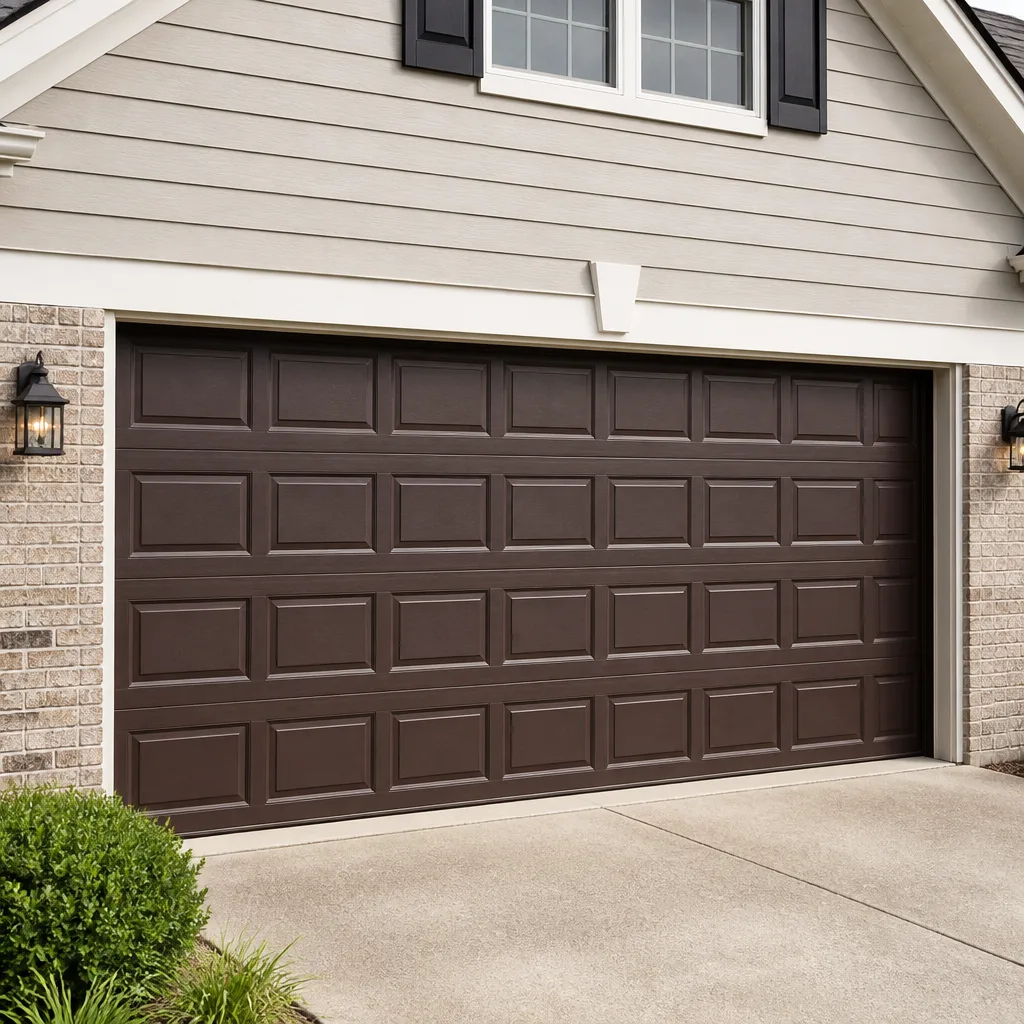 Raised-panel steel
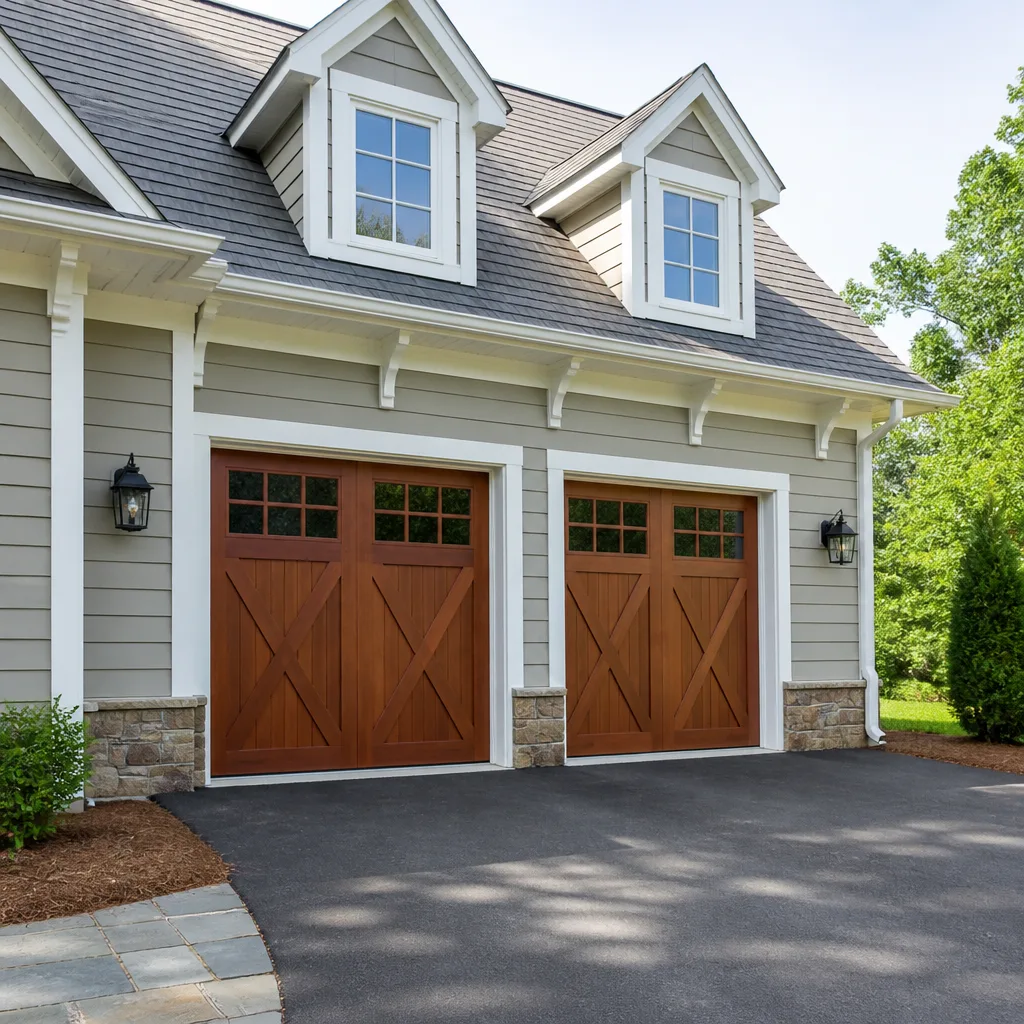 Carriage house
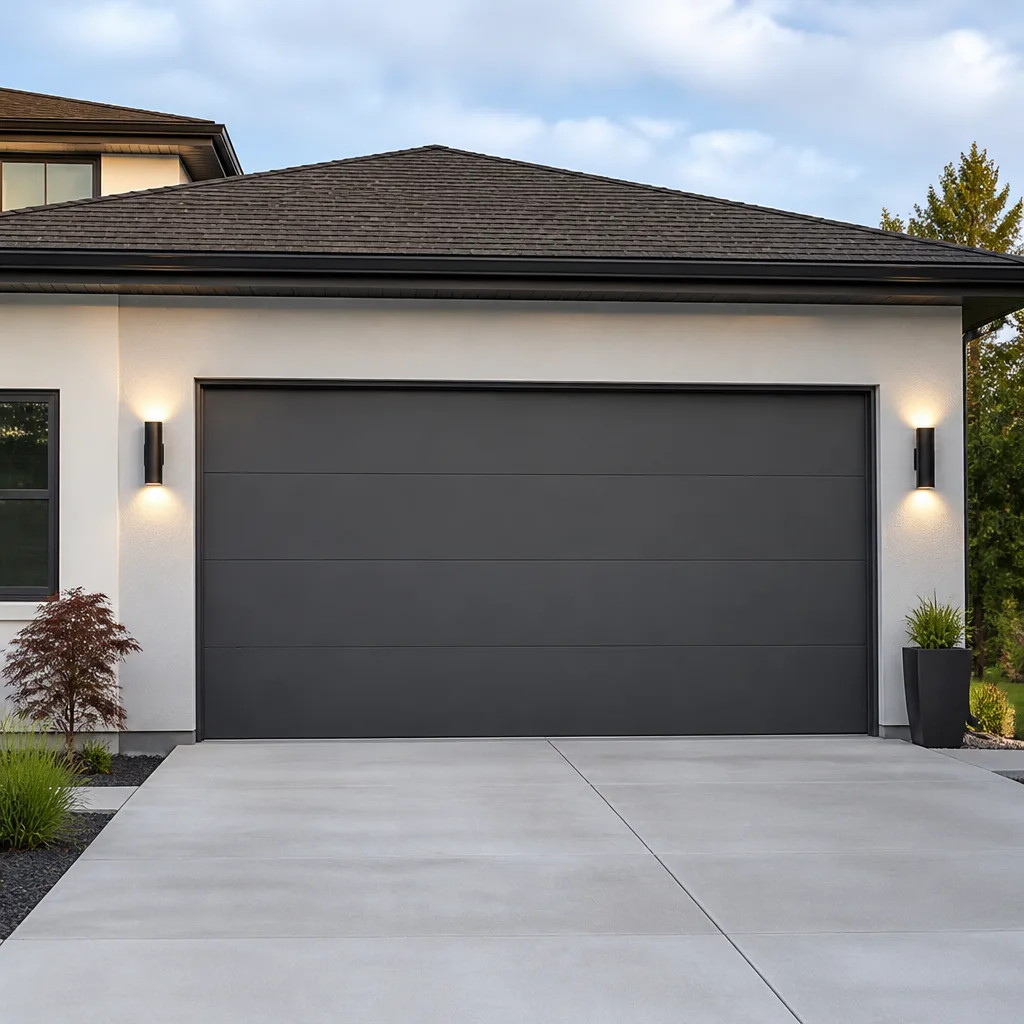 Modern flush
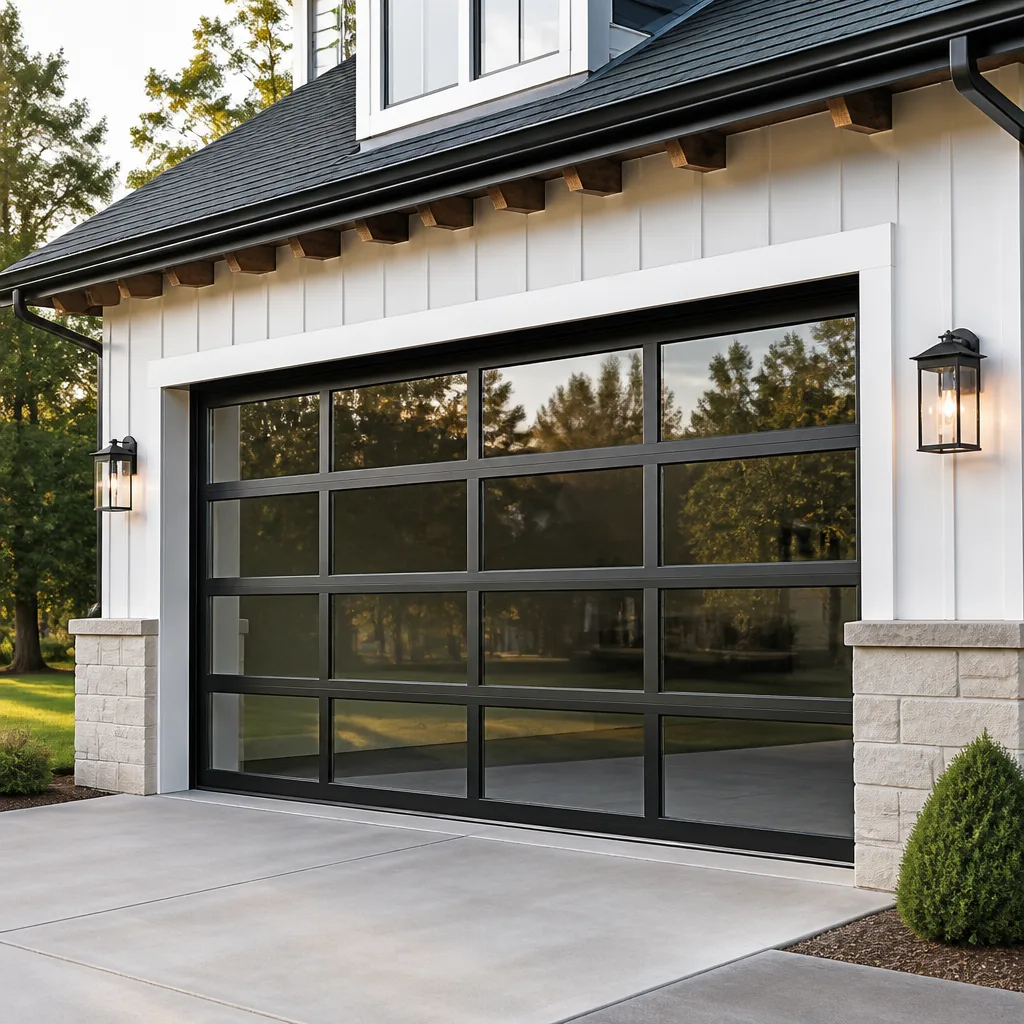 Full-view glass
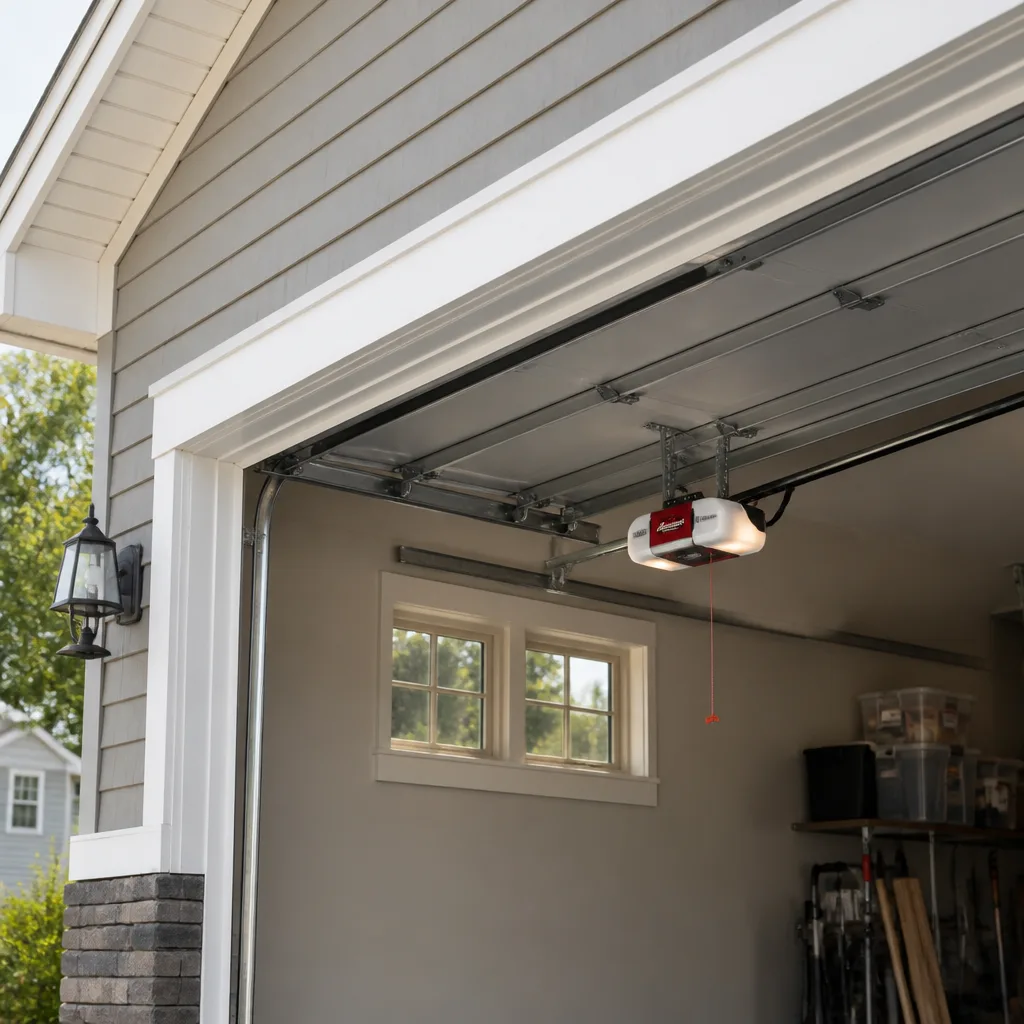 LiftMaster openers
 Chamberlain openers
Full 25-point door and opener safety check with every visit - springs, cables, rollers, tracks, and your LiftMaster or Chamberlain opener included
You get a price before we start. It does not change when the truck arrives.
Get your free estimateGarage Door Permits, Codes & Inspections in FL: What You Need to Know
A garage door replaced without a permit in Florida is considered an unpermitted alteration – and unlike a paint color, it appears in property records, which means your buyer’s lender or inspector may catch it even if your neighbor never did. This guide walks through exactly when a permit is required in Hillsborough County, what wind-load ratings actually mean for a Tampa home, and what the inspector will check when they arrive. For more on keeping your door compliant, see our related resources. We’ll also cover how unpermitted work affects insurance claims. By the end, you’ll know precisely what questions to ask before anyone touches your garage door.
Styles & brands we work with
Quick Answer
In Florida, a garage door replacement requires a permit when the door’s wind-load rating, size, or structural connection changes. A like-for-like repair – same door, same tracks, same springs, no structural alteration – usually does not require one. Hillsborough County enforces the Florida Building Code 8th Edition (2023), which mandates wind-load compliance for all exterior openings.
Table of Contents
- When Is a Permit Required in Hillsborough County?
- The Repair vs. Replacement Threshold: What Florida Code Actually Says
- Wind-Load Ratings in Tampa: What They Mean and How to Read the Label
- What a Hillsborough County Garage Door Inspection Actually Checks
- Unpermitted Garage Door Work and Homeowner’s Insurance: What Gets Denied
- Who Pulls the Permit: Contractor vs. Homeowner Responsibility
- Permit Costs in Hillsborough County and Why Some Quotes Skip Them
- Common Mistakes to Avoid
- When to Call a Professional
- Frequently Asked Questions
- The Bottom Line
When Is a Permit Required in Hillsborough County?
The short answer: a permit is required any time a garage door is replaced with a door that has a different wind-load rating, a different size, or a different structural attachment method. That covers most full replacements. Hillsborough County follows the Florida Building Code (FBC) 8th Edition, which took effect December 31, 2023, and treats garage doors as “exterior wall coverings” and “structural components” subject to wind-load provisions.
Here’s what triggers a permit in practical terms:
- Replacing a non-rated door with a wind-rated door, or vice versa. If the old door was rated for 120 mph wind and the new one is rated for 150 mph, the structural connection to the house usually changes.
- Changing the door opening dimensions. Widening or heightening a garage opening means new framing, new header, new track mounting – all structural work.
- Replacing a single-car door with a double-car door. Same as above, plus a larger wind-load surface area.
- Any work that requires new anchors, brackets, or fasteners embedded in concrete or masonry. The FBC treats these as structural connections.
What does not require a permit in Hillsborough County:
- Replacing a broken spring with a spring of the same size and rating (see Garage Door Spring Repair in Tampa for what that entails).
- Replacing a garage door opener with a similar model.
- Replacing panels, rollers, hinges, or weatherstripping on an existing door.
- Adjusting track alignment or lubricating moving parts.
In our experience working across Tampa neighborhoods from Hyde Park to Westchase, homeowners are most surprised to learn that even a “simple” full door swap needs a permit. The old door comes out, the new door goes in – feels like a repair. But the code sees it differently. The wind-load certification on the new door has to match what the original building plan specified, or the county needs to review it.
The Repair vs. Replacement Threshold: What Florida Code Actually Says
Florida Building Code Section 105.1 requires a permit for any work that is not explicitly exempted. Exemptions live in Section 105.2, and garage doors are not on the exempt list. That’s the starting point: assume a permit is required unless the work fits a narrow repair definition.
The practical dividing line, as Hillsborough County building officials apply it:
- Repair (no permit): The work restores the existing door to its original condition using parts that match the original specifications. Same spring size, same panel gauge, same track configuration. No change to wind-load rating. No change to how the door attaches to the house.
- Replacement (permit required): The door itself is swapped for a different unit, even if the size is identical. The FBC treats any new door as a new installation that must meet current wind-load standards for the home’s location, not the standards in effect when the original door was installed.
- Alteration (permit required): Any change to the opening, the framing, the header, or the door’s structural connection.
One nuance most guides miss: a 2005-era door in a Tampa home built in 2005 may have a wind-load rating that no longer meets current code. If that door fails and you replace it with a new door, the new door must meet current wind-load requirements – which may be higher than what the original door carried. That’s a good thing for your home’s safety, but it means the replacement is not “like-for-like” in the eyes of the county, and a permit is required.
We’ve walked homeowners through this exact scenario in Carrollwood and Seminole Heights-situations that often start with warning signs homeowners miss. The homeowner says, “It’s the same size door, why do I need a permit?” The answer: the wind-load rating changed, and that changes the anchoring requirements.
Wind-Load Ratings in Tampa: What They Mean and How to Read the Label
Tampa sits in a high-velocity hurricane zone (HVHZ) for wind design purposes under the Florida Building Code. For garage doors, this means the door must be tested and certified to withstand specific wind pressures measured in pounds per square foot (psf) and rated for a specific design wind speed in miles per hour (mph).
Most garage doors in Hillsborough County need a minimum design pressure rating of +/- 20 to +/- 30 psf, depending on the home’s exact location, exposure category, and the door’s size. A door rated for 150 mph wind speed is common for newer installations. Older doors – pre-2002 – often carry no rating at all, which is a problem when replacement time comes.
Here’s how to read a Florida Product Approval label on a garage door:
- Look for the Florida Product Approval number. It’s usually a “FL” followed by five digits, printed on a label affixed to the door section or on the door’s end stile.
- Find the design pressure rating. Expressed as “+/- psf” – for example, “+25/-25 psf.” This tells you the positive and negative wind pressure the door is tested to withstand.
- Check the wind speed rating. Often listed alongside the psf rating, expressed in mph.
- Verify the installation requirements. The Florida Product Approval document lists the exact anchor type, spacing, and embedment depth required for that door in your wind zone. If the installer used different anchors, the approval is void.
Brands like Clopay and Amarr both manufacture doors with Florida Product Approval listings. A Clopay door with an FL approval number and a design pressure rating matching your home’s requirements is a compliant choice for a Tampa installation. An Amarr door rated for the same wind zone is equally valid. The key is not the brand name – it’s the approval document matching the installation.
One thing we always check when replacing a door in Tampa: does the existing track and mounting hardware meet the wind-load requirements of the new door? A door rated for 150 mph wind may require larger anchors or closer anchor spacing than the original framing was built with. If the framing can’t accommodate the required anchors, the opening may need reinforcement before the new door goes in. That’s a code issue, and it’s exactly the kind of thing a permit inspection is designed to catch.
What a Hillsborough County Garage Door Inspection Actually Checks
When you pull a permit for a garage door replacement in Hillsborough County, an inspector from the county’s Building Construction Division will visit to verify the installation. The inspection is usually scheduled within a day or two of the work being completed, and it typically takes under 15 minutes. Here’s what the inspector checks, step by step:
- Permit documentation. The inspector verifies the permit number matches the address and that the work described on the permit matches what’s installed.
- Florida Product Approval. The inspector confirms the door carries a valid FL approval number and that the installed door matches the approved product documents.
- Anchor type and spacing. This is the big one. The inspector checks that the anchors used to fasten the track and mounting brackets to the jamb and header match the Florida Product Approval requirements – correct type, correct size, correct spacing.
- Wind-load rating verification. The door’s design pressure rating must match or exceed what the permit application specified for the home’s wind zone.
- Structural connection. The inspector looks at how the door frame connects to the house structure, including the header and the jamb connections.
- General operation. The door should open and close properly, balance correctly, and the opener (if present) should have functioning safety sensors.
After the inspection passes, the county records the approved permit. That record is what matters when you sell. A passed final inspection means the door installation is officially documented with the county – no cloud on the title, no lender objection, no insurance adjuster asking questions later.
If the inspection fails, the inspector leaves a correction list. Common failures we see in Tampa: anchor spacing that’s off by an inch, a door installed with the wrong design pressure rating for the wind zone, or missing documentation showing the door’s approval number. The corrections are usually minor, but they require a re-inspection – and that takes time.
Unpermitted Garage Door Work and Homeowner’s Insurance: What Gets Denied
Here’s the part most guides skip: unpermitted garage door work can become a problem during an insurance claim, and Tampa homeowners find this out at the worst possible moment – after a storm.
When a hurricane or severe thunderstorm damages a garage door in Hillsborough County, the homeowner files a claim. The insurer sends an adjuster. The adjuster’s job is to determine two things: what caused the damage, and whether the damaged component was code-compliant at the time it was installed. If the garage door was replaced without a permit, the insurer may:
- Deny the claim for the door itself. The insurer argues the unpermitted door was not properly installed, and the improper installation contributed to the failure.
- Deny related damage claims. If the door failed and allowed wind and water into the garage, damaging walls, flooring, or stored property, the insurer may deny the consequential damage as well.
- Require documentation you don’t have. After storm damage, insurers often request the permit and final inspection for the garage door installation. No permit, no documentation, no payout.
We field calls after storms in Tampa from homeowners who had a door replaced five years earlier by someone who said “you don’t need a permit for that.” The door failed in the storm. The insurance company asked for the permit. The homeowner had nothing to show. The claim was denied.
What documentation should a Tampa homeowner keep after a garage door replacement? The permit, the final inspection approval, the Florida Product Approval documentation for the door, and the installer’s invoice showing the door’s wind-load rating. A Fernbrook Garage Door Installation in Tampa always includes this documentation when a permit is required. We believe the paperwork matters as much as the door itself.
Who Pulls the Permit: Contractor vs. Homeowner Responsibility
Under Florida law, the contractor performing the work is responsible for pulling the permit when the work requires one. That’s Florida Statute 489.127, and it’s unambiguous: a contractor who performs work that requires a permit without obtaining one is violating the statute.
The homeowner’s responsibility is to hire a properly licensed contractor for the work. In Florida, garage door installation falls under specialty contractor licensing through the Florida Department of Business and Professional Regulation (DBPR). A licensed garage door contractor can pull permits for garage door work. An unlicensed handyman cannot.
If a contractor suggests skipping the permit:
- Ask why. There’s never a legitimate reason to skip a required permit. “It’ll save you money” usually means the contractor isn’t licensed to pull one.
- Check the contractor’s license. The DBPR website lets you verify a license by name or number. Takes two minutes.
- Walk away. A contractor willing to skip a permit is willing to skip other things: wind-load compliance, proper anchoring, code-correct installation.
The homeowner owns the risk. If the county discovers unpermitted work – through a property transaction, an insurance claim, or a neighbor complaint – the homeowner is the one who pays to bring the work into compliance. That can mean opening walls to inspect anchors, replacing a door that doesn’t meet wind-load requirements, or paying double permit fees for work done without a permit.
Fernbrook Garage Doors Tampa pulls permits for every garage door replacement that requires one in Hillsborough County. We’ve been doing it since 2002, and we’ve never had a single homeowner tell us they regretted having the paperwork in order. Jesse Calder, who leads our Tampa team, will tell you the same thing: the permit is cheap insurance against a very expensive problem.
Permit Costs in Hillsborough County and Why Some Quotes Skip Them
A garage door permit in Hillsborough County typically costs between $80 and $150, depending on the scope of work and whether the door replacement includes structural changes to the opening. That fee covers the application review and the inspection. It’s a line item on the invoice, not a hidden cost.
Some Tampa contractors offer lower quotes by omitting the permit entirely. The quote looks cheaper because it doesn’t include the permit fee, the time to file the application, or the time to meet the inspector. What that contractor is actually doing is shifting risk to you – the homeowner – in exchange for a lower number on paper.
Here’s the breakdown of a properly permitted garage door replacement in Tampa:
- Permit fee: $80 to $150, paid to Hillsborough County
- Door and hardware: Varies widely by brand, size, and wind-load rating. An Amarr or Clopay door rated for Tampa’s wind zone typically falls in the $800 to $2,500 range installed.
- Labor: Usually $300 to $600 for a standard single or double door installation, including removal of the old door.
- Contractor’s permit filing time: Often included in the quote, sometimes a small line item of $50 to $100.
We quote a written price before any work begins. Every visit, no exceptions. That price includes the permit fee when a permit is required, and it’s the price you pay – no surprise invoices at the end. The 365-Day Done Right Promise covers every Fernbrook job: if it’s not done right, we make it right. No negotiation required.
For homeowners who want to know exactly what their project will cost before committing, the Fernbrook Garage Doors Tampa home page outlines our approach to pricing. For spring repairs, which usually don’t require permits but do require precision, see our Garage Door Spring Repair in Tampa page.
Common Mistakes to Avoid
- Skipping a permit because “the door is the same size.” As covered above, the permit trigger is the wind-load rating change, not just the dimensions. A same-size door with a different approval rating still requires a permit.
- Hiring an unlicensed handyman to save a few hundred dollars. Unlicensed workers cannot pull permits, and their work may not meet wind-load code. The savings evaporate the first time an inspector or insurance adjuster asks questions.
- Discarding the Florida Product Approval documentation. That label and the approval document are your proof of compliance. File them with your home records.
- Assuming the original door’s wind rating is still current. Tampa’s wind zone requirements have changed over time. A door installed in 1998 may not meet what the code requires today.
- Letting the contractor skip the final inspection. A permit without a passed inspection is worse than no permit – the work was started under a permit but never verified. Lenders and insurers flag open permits.
- Overlooking the anchor requirements. A wind-rated door is only as good as its anchors. If the installer uses generic hardware instead of the approved anchor spec, the door’s rating is meaningless.
When to Call a Professional
Garage door permitting and code compliance is not a DIY project. Call a professional when you’re replacing a door in a home built before 2002 and don’t know the existing wind-load rating, when the door opening needs modification, when you’re selling and the buyer’s inspector flags the garage door, or when an insurance claim has already been denied over unpermitted work. Fernbrook Garage Doors Tampa offers free estimates – call (850) 831-4801 and a live person answers, 24 hours a day, 7 days a week. No voicemail trees, no next-day callbacks.
Frequently Asked Questions
Yes, in most cases. A permit is required when the replacement door has a different wind-load rating, size, or structural attachment than the original. A like-for-like repair – such as replacing a broken spring with a matching spring – does not require a permit. Hillsborough County follows the Florida Building Code 8th Edition, which classifies garage doors as exterior wall coverings subject to wind-load provisions. Call (850) 831-4801 and we’ll tell you over the phone whether your specific project needs a permit.
Look for the Florida Product Approval label on the door section – it carries an “FL” number and design pressure rating. If the door is pre-2002 or has no label, it likely carries no wind-load rating and may not meet current code. We perform code-compliance checks across Tampa, including in Westchase, Brandon, and Riverview. Call (850) 831-4801 to have a technician assess your door.
The buyer’s home inspector or lender may flag the unpermitted work during the transaction. Hillsborough County property records show permit history, and a missing permit for a visible alteration like a garage door is a red flag. The seller typically must either obtain an “as-built” permit retroactively (which is more expensive than the original permit) or reduce the sale price.
For a standard garage door replacement, the permit application is usually reviewed within one to three business days. The inspection is then scheduled after the work is complete, typically within one to two days. The entire process usually adds less than a week to the project timeline.
Yes. Fernbrook Garage Doors Tampa pulls all required permits for garage door replacements in Hillsborough County. The permit fee is included in your written price before any work begins, and we schedule and meet the inspector on your behalf. You get the final inspection documentation when the job is done.
A garage door replacement permit in Hillsborough County typically costs between $80 and $150. That fee is paid directly to the county for the application review and inspection. Some quotes leave this fee out to appear cheaper – ask any contractor you’re considering whether their price includes the permit.
The Bottom Line
Florida’s garage door permitting rules exist for a reason that matters to every Tampa homeowner: wind-load compliance is what keeps a garage door attached to the house during a hurricane. A permit verifies the door was installed to meet that standard. Skipping it saves a small fee up front and creates a larger liability later – at sale, at refinancing, or at an insurance claim. The permit is a document that protects your home’s value and your family’s safety. Call (850) 831-4801 for a free estimate, and we’ll walk you through exactly what your project needs. You can also explore more guides & resources on our blog. A live person answers any time of day or night.
Written by Jesse Calder, Owner at Fernbrook Garage Doors Tampa, serving Tampa since 2002.
See the difference
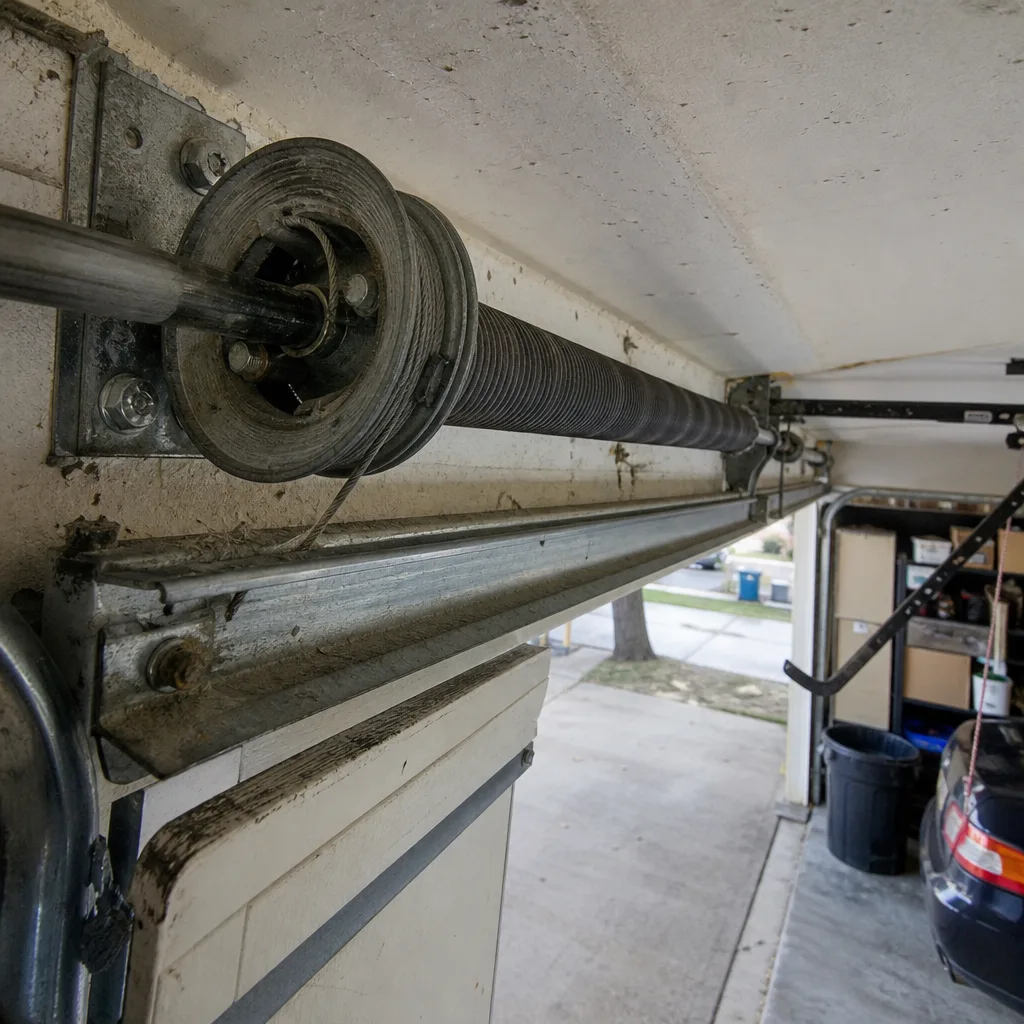 Before
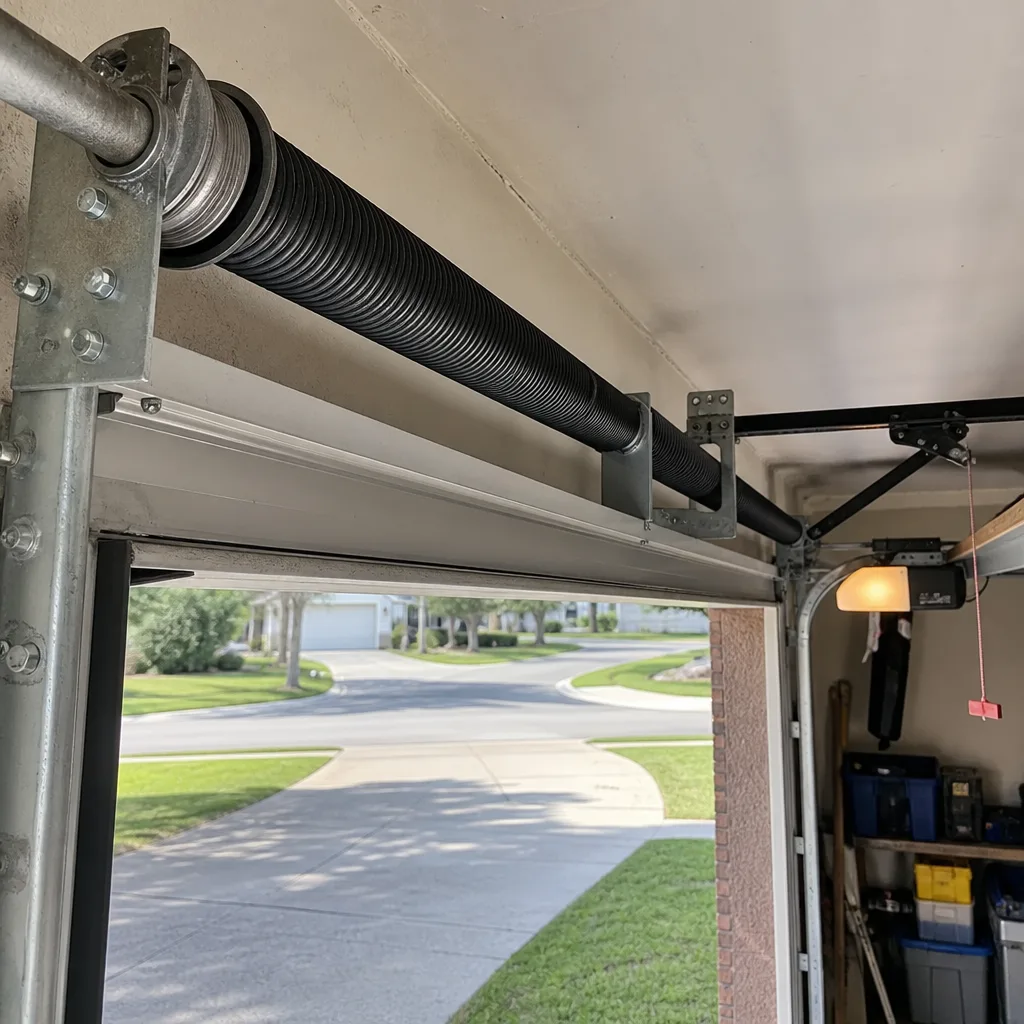 After
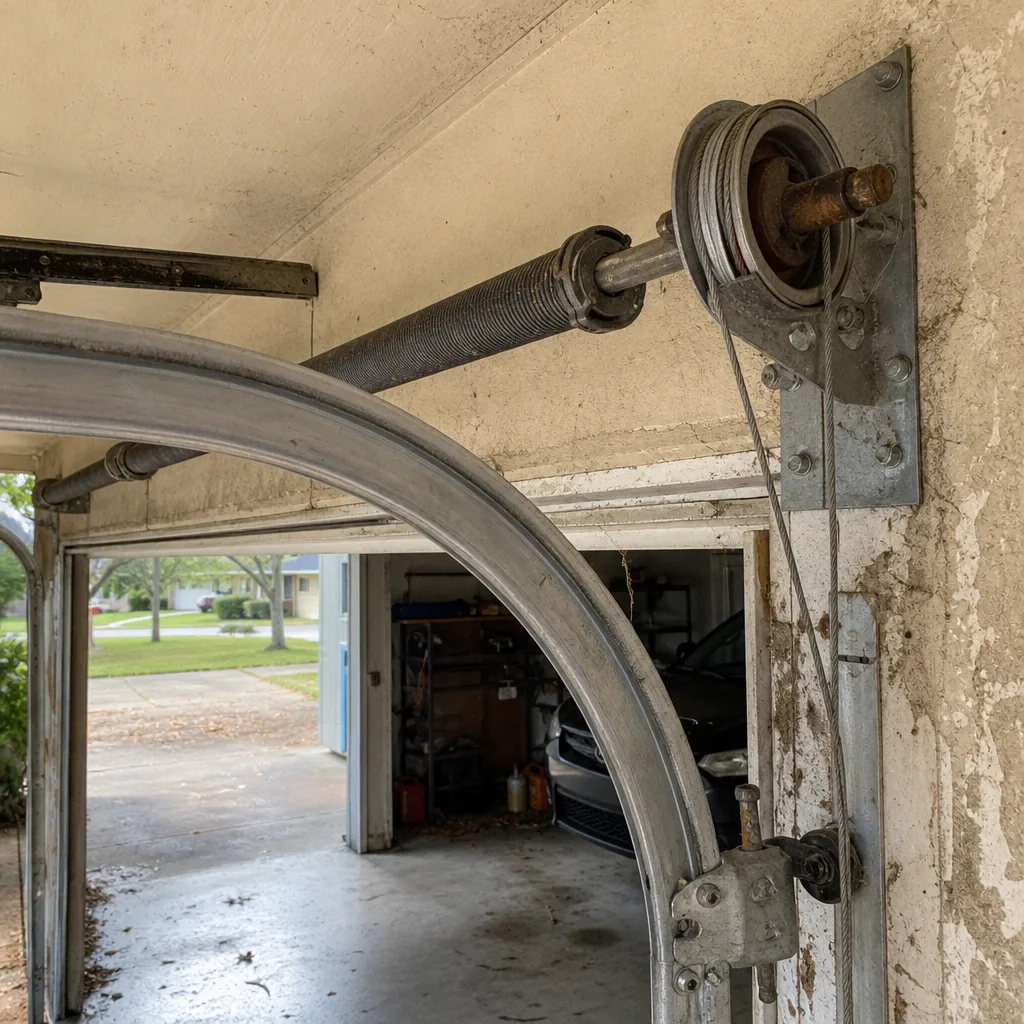 Before
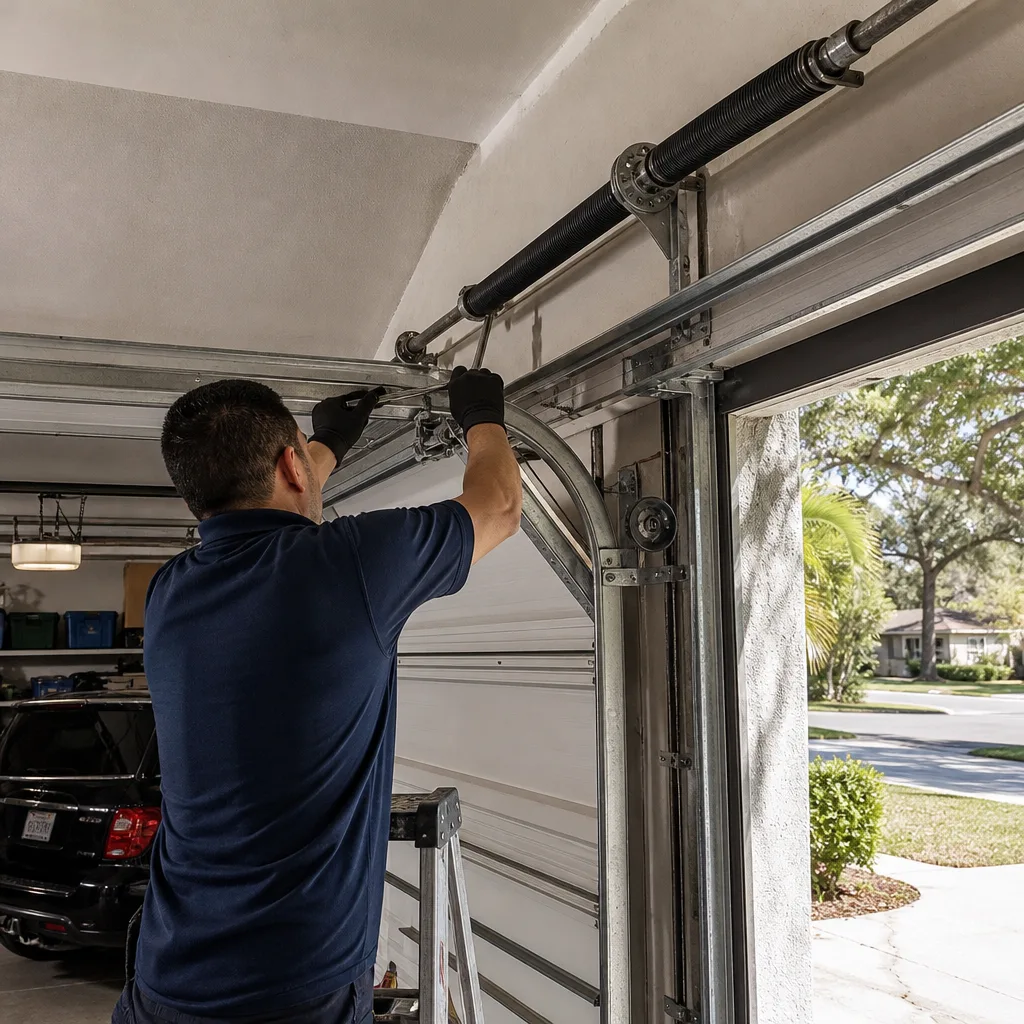 After
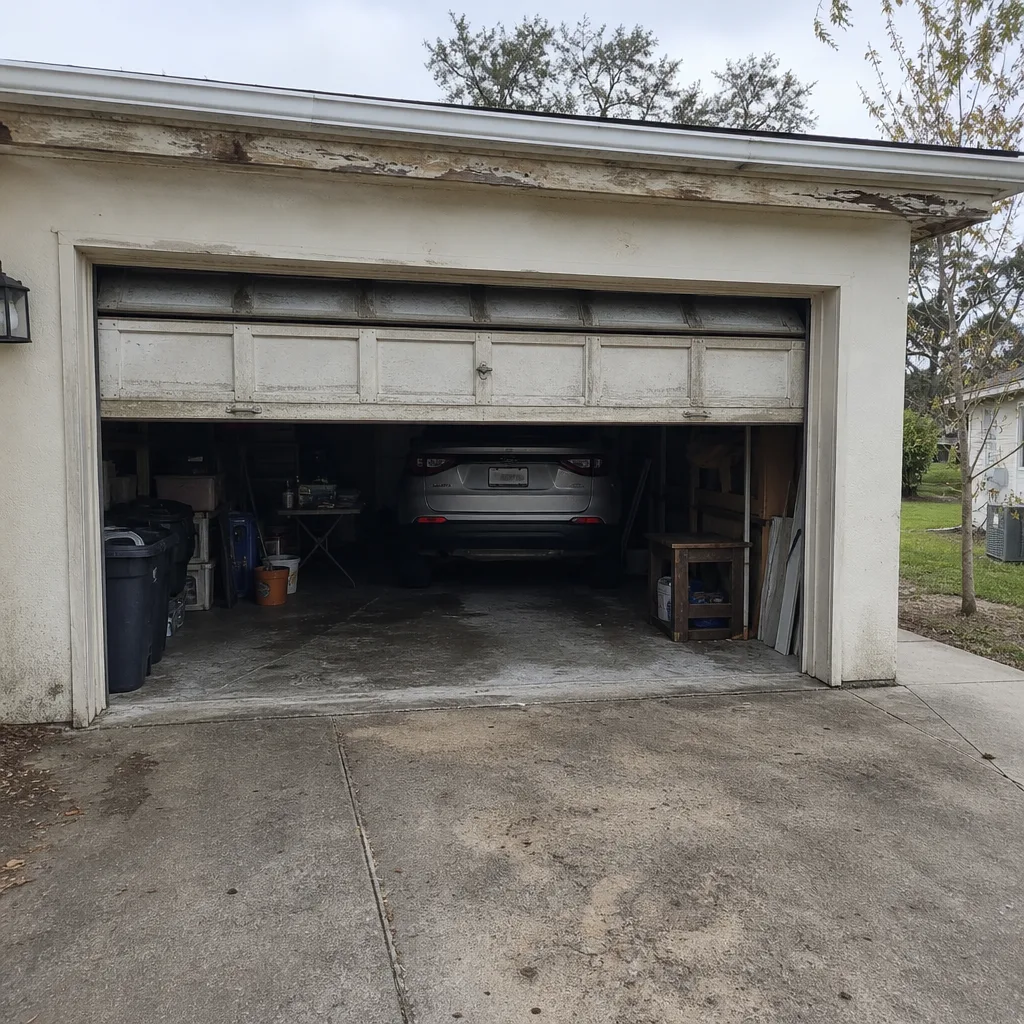 Before
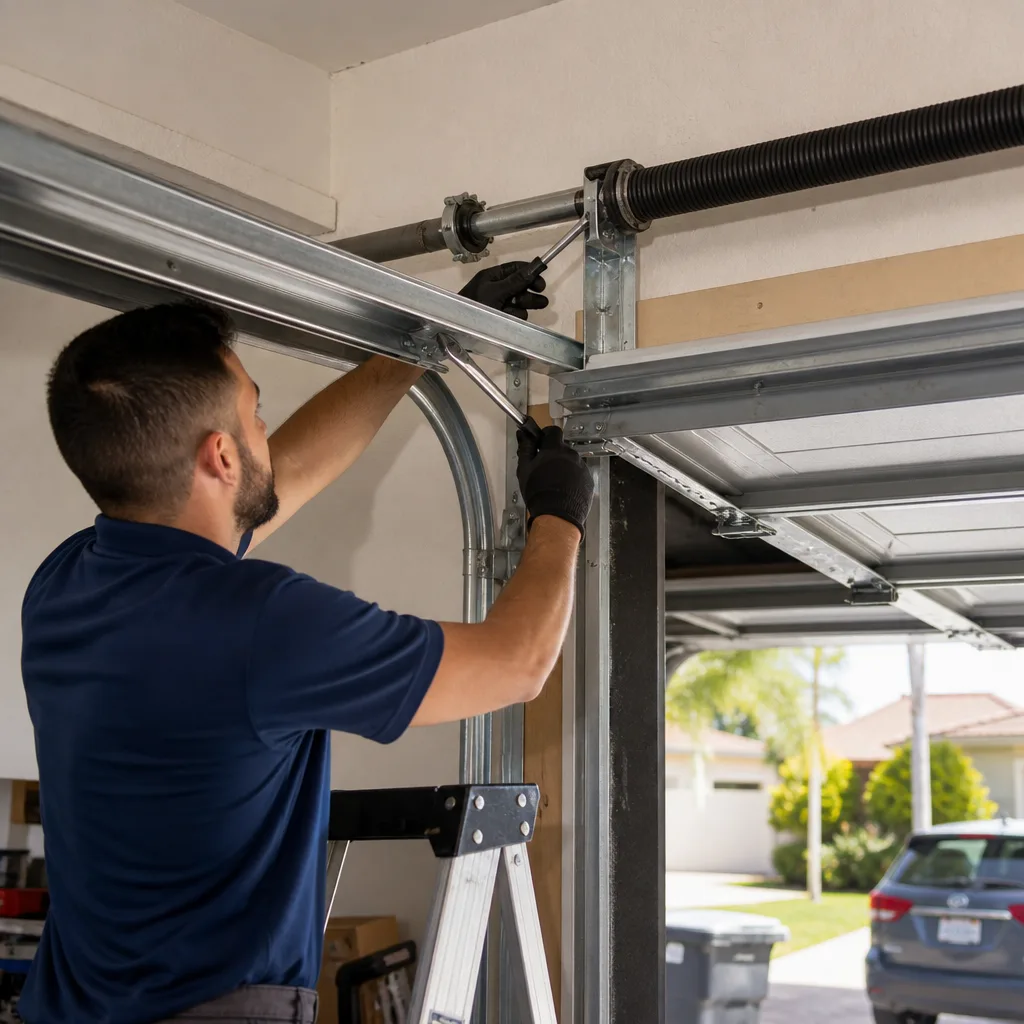 After