
Last updated October 17, 2026
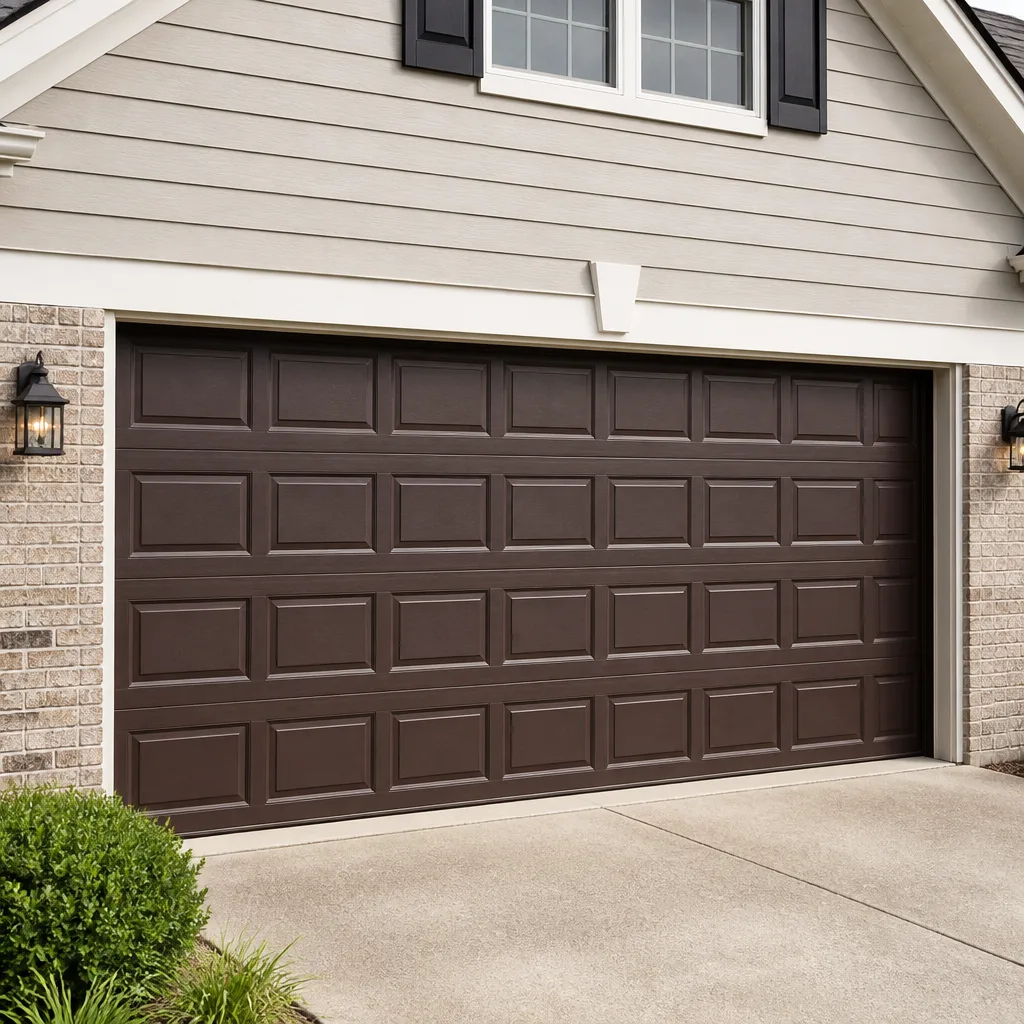 Raised-panel steel
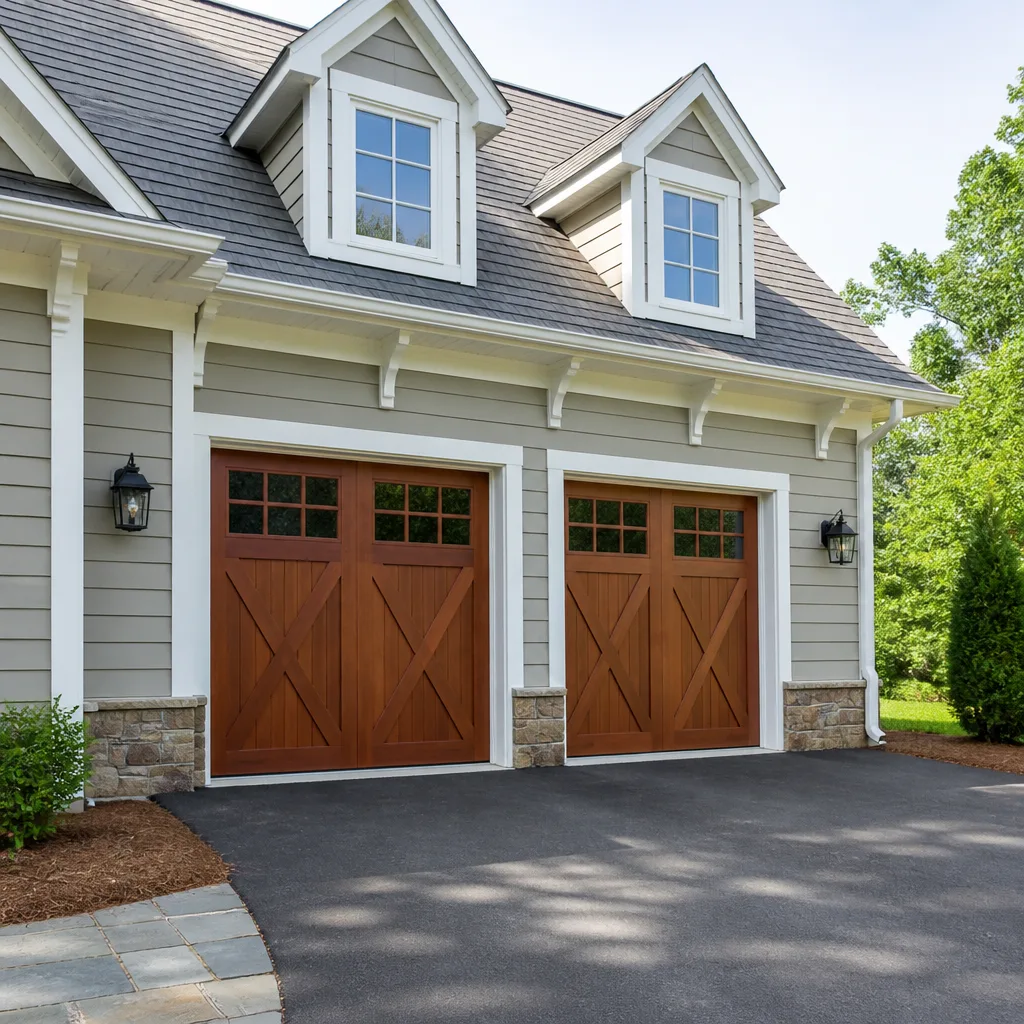 Carriage house
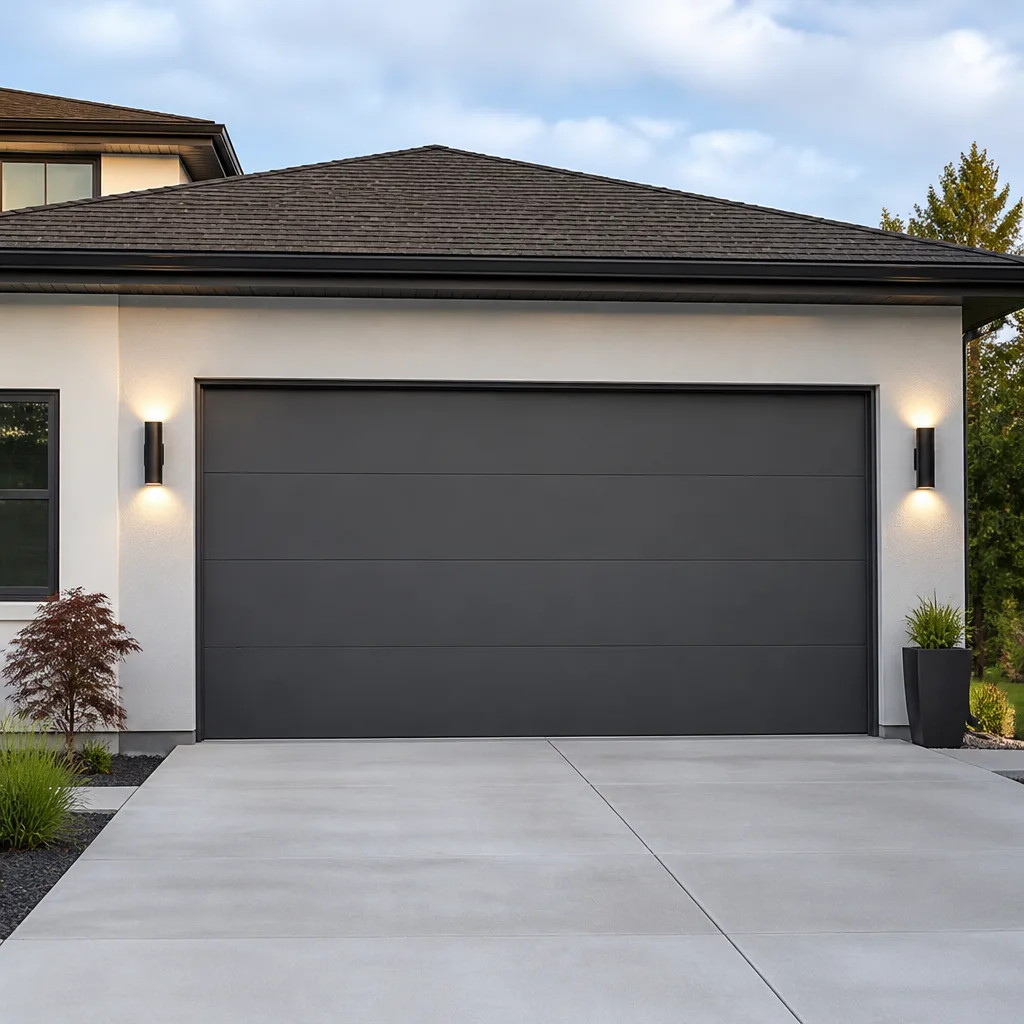 Modern flush
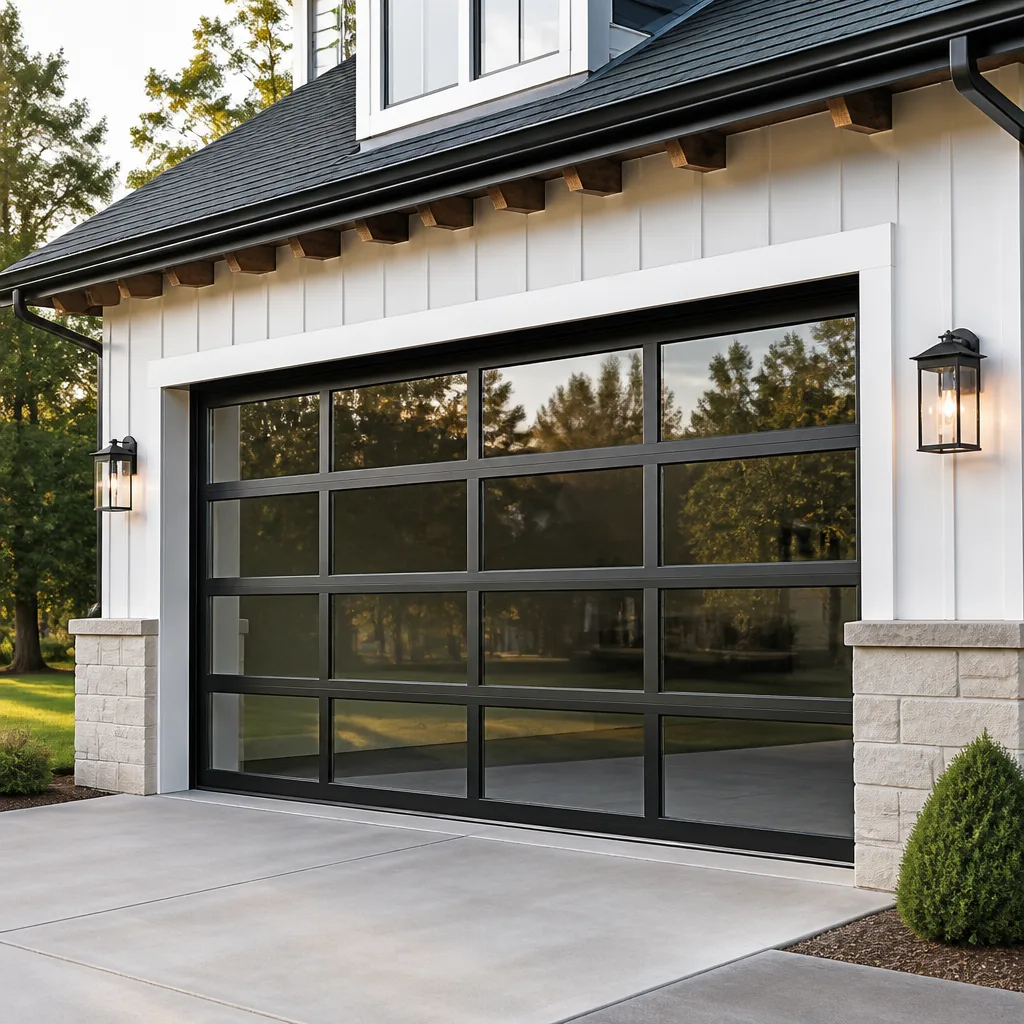 Full-view glass
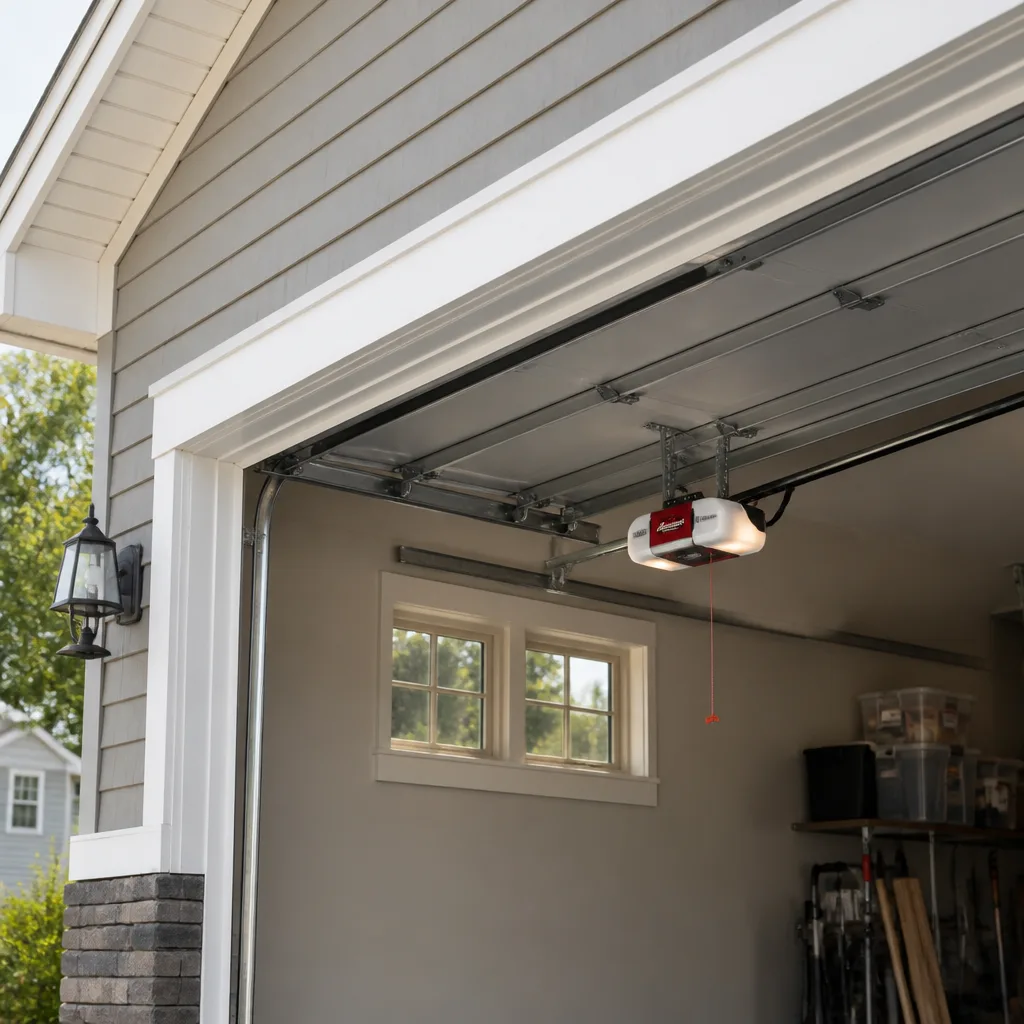 LiftMaster openers
 Chamberlain openers
Full 25-point door and opener safety check with every visit - springs, cables, rollers, tracks, and your LiftMaster or Chamberlain opener included
You get a price before we start. It does not change when the truck arrives.
Get your free estimateGarage Door Warning Signs: A Tampa Homeowner’s Reference Guide
A garage door that takes two seconds longer to fully open than it did six months ago isn’t aging. It’s telling you something. A spring has lost tension, a roller is beginning to bind, or a hinge is wearing unevenly. And the next stage of that problem is usually a door that won’t open at all, at 7 a.m., on a Tuesday, with the car still inside. This guide, along with our Complete Guide to Garage Door in Tampa, teaches you to read the sounds, sights, and timing differences your garage door uses to warn you weeks before a failure, so you can schedule a repair on your terms instead of standing in the driveway waiting for a tow truck.
Quick Answer
Most garage door failures in Tampa announce themselves days or weeks early through four channels: sound (grinding, popping, scraping, squealing), sight (rust on cables, gaps in weatherstripping, a door that hangs unevenly), timing (a door that opens slower or hesitates mid-cycle), and feel (a door that feels heavier than it used to when you operate it manually). The three signs that require immediate attention are fraying cables, a visibly broken spring, and a door that falls quickly when disengaged from the opener. Everything else can usually wait two to four weeks for a scheduled repair. A live person answers the phone at Fernbrook Garage Doors Tampa home 24 hours a day if you’re not sure which category your door falls into.
Styles & brands we work with
Table of Contents
- A Sound-by-Sound Reference: What Your Garage Door Is Saying
- Visual Warning Signs Specific to Tampa Homes
- The Manual Operation Test: Separating Spring, Opener, and Track Problems
- Urgent Safety Issues vs. Scheduled Repairs: The Two-Tier System
- What to Note and Photograph When You First Notice a Problem
- How Tampa’s Climate Speeds Up Garage Door Wear
- Brand-Specific Warning Signs: Clopay, Amarr, and Wayne Dalton
- Common Mistakes to Avoid
- When to Call a Professional
- Frequently Asked Questions
A Sound-by-Sound Reference: What Your Garage Door Is Saying
Your garage door speaks in four distinct voices, and each one points to a different mechanical issue. Learning to tell them apart is the single most useful skill a Tampa homeowner can develop, because it tells you whether you’re looking at a $40 roller replacement or a $250 spring job before anyone even shows up at your house.
Grinding is a low, rough, metal-on-metal sound that happens when the door moves. It almost always means a roller’s ball bearings have failed and the roller is now sliding, not rolling, inside the track. In Tampa, coastal moisture accelerates this failure by corroding the bearing seals, and we see it most often on doors within three to five miles of the bay. Left alone, a grinding roller flattens over time and begins carving a groove into the track itself, which turns a $40 roller replacement into a $200 track repair.
Popping is a sharp, loud sound that usually comes from the spring area, most often heard when the door reaches the halfway point of its travel. In torsion spring systems, a single pop often means a spring has developed a small crack but hasn’t fully broken yet. It will. The question is whether it breaks while the door is closed (inconvenient) or while the door is open (dangerous, because a broken spring can release the door suddenly). If you hear a pop, stop using the door and call a Garage Door Spring Repair in Tampa technician the same day.
Scraping is a lighter, higher sound than grinding, and it’s rhythmic, matching the speed of the door. It usually means the door’s edge or a hinge is making contact with the track, which happens when a door goes slightly out of balance and lists to one side. In Tampa’s older homes, we also see scraping from tracks that have shifted as the garage slab settles. Scraping is not urgent in most cases, but it’s worth having checked within a month, because every cycle wears the track a little more.
Squealing is high-pitched and often inconsistent, and it’s the only one of the four sounds that sometimes does have a simple fix. Squealing usually means a hinge or roller shaft is dry. A silicone-based lubricant applied to the hinge pins and roller shafts can quiet it for a few months. But if the squeal returns within a week or two, the hinge is worn past the point where lubrication helps, and replacement is the honest fix. Avoid petroleum-based sprays, which attract dust and grit and make the problem worse over time.
Visual Warning Signs Specific to Tampa Homes
Tampa’s climate, heat, humidity, afternoon storms, and salt air near the coast, puts a specific fingerprint on garage door components. These are the visual cues we tell our own neighbors to look for, and they’re often missed by generic maintenance checklists written for drier climates. For a full seasonal breakdown, see our Seasonal Garage Door Care for Tampa: Year-Round Homeowner’s Guide.
Rust Patterns on Cables
The cables that carry your door’s weight are typically galvanized steel, and they’re supposed to look clean. Surface rust, an even orange discoloration across the cable, is worth noting but not necessarily urgent. The warning sign we watch for is localized rust: a band of dark orange or brown that wraps around the cable at a single point, usually where the cable wraps around the bottom drum. That pattern means the galvanized coating has failed at a stress point. In Tampa’s humid air, that spot is now exposed to daily corrosion cycles, and the cable will typically fray within four to eight weeks of that rust band appearing. Once fraying starts, the cable needs replacement immediately, because a snapped cable releases all the door’s weight onto whatever is below it.
Weatherstripping Separation from the Frame
The rubber weatherstrip along the bottom of your door and around the frame does more than keep rain out. It keeps leaves, insects, and the daily October humidity surge out of your garage. In Tampa, that strip gets brittle fast, typically within three to five years, because of the heat and the UV exposure on south-facing doors. The specific warning sign to look for is separation at the corners, where the strip pulls away from the frame and leaves a gap you can see daylight through. A separated strip is a scheduled repair, not an emergency, but it’s worth doing before hurricane season, because that gap is exactly where wind-driven rain gets in and soaks whatever you store along the garage walls.
Paint Bubbling Near the Bottom Panel
If you see paint bubbling or peeling on the bottom section of your garage door, especially on the inside face, that’s moisture wicking up through the door’s foot. It happens in Tampa when a door sits in standing water during the rainy season, or when the concrete slab in front of the door slopes toward the house instead of away. The paint issue itself is cosmetic. What it tells you is that the bottom panel is absorbing water, which leads to rust on steel doors and rot on wood ones. The fix is usually a weatherstrip replacement plus, where possible, improved drainage. On a Clopay door, the bottom panel is steel with a painted finish, and once the paint fails, the panel will rust through in about two to three Tampa summers.
The Manual Operation Test: Separating Spring, Opener, and Track Problems
Here’s a simple test any homeowner can do in about 90 seconds, and it will tell you whether the problem is your opener, your springs, or your track. This is the exact diagnostic we walk through with customers on the phone before we ever send a truck out.
- Close the door fully. Make sure the area is clear and the door is down all the way.
- Pull the red emergency release handle. This disconnects the door from the opener. The handle hangs from a rope near the top of the door.
- Lift the door by hand. Grip the handle or the bottom of the door and lift it to about waist height, then let go.
- Watch what happens.
If the door stays at waist height without moving, your springs are doing their job, and the problem is almost certainly in the opener or the remote. If the door slowly drifts down or falls, a spring has lost tension and is no longer counterbalancing the door’s weight. If the door binds or catches at a specific point in the travel, you have a track or roller issue. In our experience, about half the “opener problems” we get called out for in Tampa turn out to be spring or track problems that the opener was struggling against. The manual test tells you, before you spend any money, which system is actually failing.
One note for safety: if the door falls when you let go, don’t try to hold it. Let it down gently if you can, and call a professional. A door that falls is dangerous, and the springs need attention before the door is used again.
Urgent Safety Issues vs. Scheduled Repairs: The Two-Tier System
We divide garage door problems into two categories: the things that require a same-day call, and the things that can wait two to four weeks for a scheduled visit. Knowing which category your door falls into saves you money, because scheduled repairs cost less than emergency dispatches, and it saves you anxiety, because you stop wondering if the door is going to fall on your car. If you’re planning a larger project, our How to Hire a Garage Door Contractor in Tampa: A Step-by-Step Guide can help you evaluate your options.
Tier One: Same-Day Urgency
- Frayed or broken cables. Any visible strand separation on a cable means the cable can fail at any moment. A failed cable releases the door’s weight onto one side, twisting the door and sending it off its track.
- A visibly broken spring. If you look above the closed door and see a two-inch gap in the torsion spring, the spring has snapped. The door will be extremely heavy, and it should not be operated by hand or by the opener.
- A door that falls when disengaged. This means the spring tension is critically low, and the door is a falling hazard for anyone in its path, including kids and pets.
Tier Two: Scheduled Within Two to Four Weeks
- Grinding rollers. The door still works, but the rollers are eating the track. Two to four weeks is usually safe unless the sound gets dramatically worse.
- Squealing hinges. A noise issue, not a safety issue, as long as the door still moves smoothly.
- Weatherstripping separation. Cosmetic and weather-related, not structural. Schedule it before the rainy season if you can.
- Slow operation. A door that opens slower than it used to, but still opens. This is usually an opener motor wearing or a door going out of balance. Worth checking, not an emergency.
If you’re not sure which tier a sound or sight falls into, call and describe it. A live person answers at (850) 831-4801, and we’ll tell you honestly whether we need to come out today or whether it can wait for a scheduled visit.
What to Note and Photograph When You First Notice a Problem
One habit that saves Tampa homeowners real money is keeping a simple record of what the door sounded like, looked like, and did when a problem first appeared. Technicians diagnose faster with good information, and a dated record helps you understand whether a problem is getting worse over time or staying stable.
Here’s what to capture, and it takes about ninety seconds with a phone.
- Date and time. Note when you first heard or saw the issue. It matters for understanding progression.
- A 10-second video with sound. Record the door opening and closing. The sound is often more useful than the visual, because grinding versus squealing versus popping each point to different components.
- A close-up photo of the cables. Stand inside the garage, door closed, and photograph the cables on both sides. If rust or fraying is present, the photo will show it clearly in good light.
- A photo of the door in the closed position from outside. This shows alignment issues, gaps, and weatherstripping separation.
- A note on timing. Time the door from fully closed to fully open. Write down the number. Next month, time it again. A door that takes longer over time is telling you something is wearing.
When you call a repair company, having this record means the technician can come prepared with the right parts. And if you’re comparing quotes, you can show each company the exact same evidence instead of relying on memory or a verbal description.
How Tampa’s Climate Speeds Up Garage Door Wear
Garage doors in Tampa live in one of the most demanding environments in the country: wet, hot, salty, and storm-prone. Understanding how each of these factors affects the components helps you predict which parts will fail first on your door.
Humidity and salt air are the biggest corrosion drivers. For homes within a few miles of Tampa Bay or the Gulf, the salt aerosol in the air settles on metal garage door components and accelerates rust. Springs, which are under constant tension, are especially vulnerable, because corrosion creates microscopic pits in the spring steel that become crack initiation points. A spring that might last ten years in a dry climate can fail in six or seven in a coastal Tampa neighborhood.
Daily thermal cycling is the second factor. Tampa garage doors, especially west-facing ones, heat up to 120 degrees or more on summer afternoons and cool down at night. The metal expands and contracts every single day. Over time, this cycling loosens bolts, stresses welds, and makes paint brittle. It’s the reason we recommend checking hinge bolts twice a year with a socket wrench, because loose hinges are the starting point for scrapes and track damage.
Afternoon thunderstorms bring water into contact with the door’s bottom section and hardware on a near-daily basis from June through September. If your drainage sends water toward the door, that water sits against the bottom panel and wicks upward. The fix is usually simple: a fresh bottom seal and, where the slope allows, a channel or re-graded pad that directs water away from the door.
None of these factors are emergencies on their own. But they mean that a Tampa garage door needs a little more attention than one in, say, a dry inland city. A five-minute visual check every three months, looking for the signs in this guide, is usually enough to catch problems early.
Brand-Specific Warning Signs: Clopay, Amarr, and Wayne Dalton
Different door brands fail in different ways, and knowing which door you have gives you a head start on diagnosis. If you’re not sure what brand your door is, look for a sticker on the inside of the door, usually near the top panel or on one of the side rails.
Clopay doors are common in Tampa and generally hold up well, but the specific warning sign we see on them is bottom-panel rust that starts at the corners. Clopay’s standard steel doors use a painted finish over galvanized steel, and once the paint is scratched or chipped, typically from something bumping the inside of the door during pull-in, the exposed steel begins to rust. Check the inside corners of the bottom panel where tools, bikes, or the car bumper might have made contact.
Amarr doors are known for their smooth operation, but their warning sign is often in the hinges. Amarr uses a specific hinge design on many models that, when it wears, produces a metallic ticking sound rather than a squeal. That ticking, which sounds like a washer rattling, means the hinge pin has worn and the hinge is shifting slightly with each cycle. It’s easy to dismiss, but it’s a wear signal that the hinge is nearing the end of its life.
Wayne Dalton doors have a unique spring system on some models, a torsion spring inside a tube above the door, which is quieter than exposed springs but harder to inspect. The warning sign specific to Wayne Dalton is a door that begins to feel heavier in manual operation even though nothing looks broken. That means the internal spring has lost tension, and the repair requires a specialist who knows the Wayne Dalton torque system, because it’s different from a standard torsion spring setup.
If you have a Craftsman opener paired with any of these doors, the most common warning sign is opener-specific: the motor runs and the belt or chain moves, but the door doesn’t. That’s a broken plastic gear inside the opener, which is a common Craftsman failure point and usually an economical repair compared to replacing the whole unit.
Common Mistakes to Avoid
- Lubricating a grinding roller. Grinding means the bearing has failed, not that it’s dry. Lubricant quiets the sound for a day or two, which masks the warning sign while the roller carves up the track.
- Continuing to use the door after a pop. A popping spring is a broken spring waiting to happen. Every cycle after the pop moves you closer to a door that won’t open at all.
- Using petroleum-based lubricants. WD-40 and similar products attract dust and grit, which builds up in the tracks and on the hinges and accelerates wear. Silicone-based lubricants are the right choice for garage door applications.
- Ignoring a door that’s slightly off-level. A door that’s an inch higher on one side may still open and close, but every cycle is putting uneven load on the springs, cables, and hinges. Small misalignments become expensive repairs over time.
- Replacing the opener when the springs are the problem. We’ve seen Tampa homeowners spend $500 on a new opener only to discover the door still won’t open, because the real issue was a broken spring. Run the manual test before you buy anything.
- Cutting a broken spring off with bolt cutters. This one happens more than we’d like to talk about in Tampa. A torsion spring holds hundreds of pounds of torque, and cutting it without the right tools releases that energy instantly. This is the one job that should never be DIY, no matter how capable you are.
When to Call a Professional
Any frayed cable, broken spring, or door that falls when disengaged is a same-day call. Those are the scenarios where the door itself is a hazard, and no amount of careful observation changes that. Beyond the immediate safety issues, call a professional when you’ve noticed a change in sound or operation that you can’t diagnose confidently, or when a visual problem has progressed past the point where you’re comfortable assessing it. Garage Door Repair in Tampa doesn’t have to mean an emergency dispatch. If the problem fits the scheduled category, you can book a visit on your timeline, get a written price before any work starts, and know that the job is covered by a 365-day promise. Fernbrook Garage Doors Tampa offers free estimates in Tampa. Call (850) 831-4801 and a live person will answer, 24 hours a day.
Frequently Asked Questions
Garage door spring repair in Tampa typically costs between $180 and $340 for a standard torsion spring replacement, including the part and labor. Extension spring systems on older doors run $150 to $250. The exact price depends on whether one or both springs are replaced, the size and type of spring, and the door’s weight. Call (850) 831-4801 for a written quote before any work starts, estimates are free, and the price you’re quoted is the price you’ll pay.
Yes. Fernbrook Garage Doors Tampa has technicians available for same-day service calls throughout Tampa, and a live person answers the phone 24 hours a day, 7 days a week, no voicemail trees. Call (850) 831-4801 and describe what the door is doing, and we’ll give you an honest read on whether it’s an emergency or can wait for a scheduled visit. Same-day service means today, not “sometime this week.”
No. Fernbrook works on written-price basis: you receive a written price before any work begins, and that price does not change unless you add additional work. If the technician finds something unexpected, they’ll explain it, show it to you, and get your approval on a new written price before doing anything extra. Surprise invoices aren’t part of the deal.
Yes. Our trucks carry a full stock of the most common replacement parts, including torsion springs for standard door weights, extension springs, rollers, hinges, cables, bottom seals, and openers from LiftMaster and Chamberlain. For less common parts or brand-specific components, like a Wayne Dalton torque spring, we can usually source the part same-day or next-day from our Tampa suppliers. Call (850) 831-4801 with your door’s brand and symptoms, and we’ll tell you if the fix is a one-trip job.
A well-maintained steel garage door in Tampa typically lasts 15 to 20 years, with springs lasting 7 to 10 years depending on how close the home is to the bay. Salt air, humidity, and daily thermal cycling are the three factors that shorten component life in Tampa. The best way to extend the door’s life is quarterly visual checks, prompt spring replacement when tension is lost, and keeping the tracks and rollers clean.
Morning-only garage door noise in Tampa is usually a humidity effect. Overnight, condensation forms on the metal parts inside the garage, and the first cycle of the day runs on damp components, which can produce squealing or a temporary grinding sound. If the noise goes away after the first open/close cycle, it’s usually just condensation. If it persists through the day, it’s a mechanical wear issue worth having checked. A silicone lubricant on the hinge pins and roller shafts often reduces morning noise significantly.
The Bottom Line
Your garage door is the largest moving object in your Tampa home, and it’s also the most predictable. Grinding, popping, scraping, and squealing each mean something specific. Rust bands on cables, weatherstripping gaps, and paint bubbling on the bottom panel are visual warnings that show up weeks before a failure. And the manual operation test tells you, in 90 seconds, whether the problem is your opener, your springs, or your track. The habit worth building is simple: look at the door, listen to it, time it, and write down what you notice. When a warning sign stays stable, you can relax. When it progresses, you’ll catch it before the door fails on a workday. And if you’re not sure what you’re looking at, call (850) 831-4801. A live person answers, and we’ll walk you through it. For more guides & resources, visit our blog.
If you’re considering an upgrade, Garage Door Installation in Tampa is available with the same written-price promise and the same care standards: shoe covers on hardwood, drop cloths on tile, quiet tools when the kids are asleep, and a photo of the clean-up before the technician leaves.
Written by Jesse Calder, Owner at Fernbrook Garage Doors Tampa, serving Tampa since 2002.
See the difference
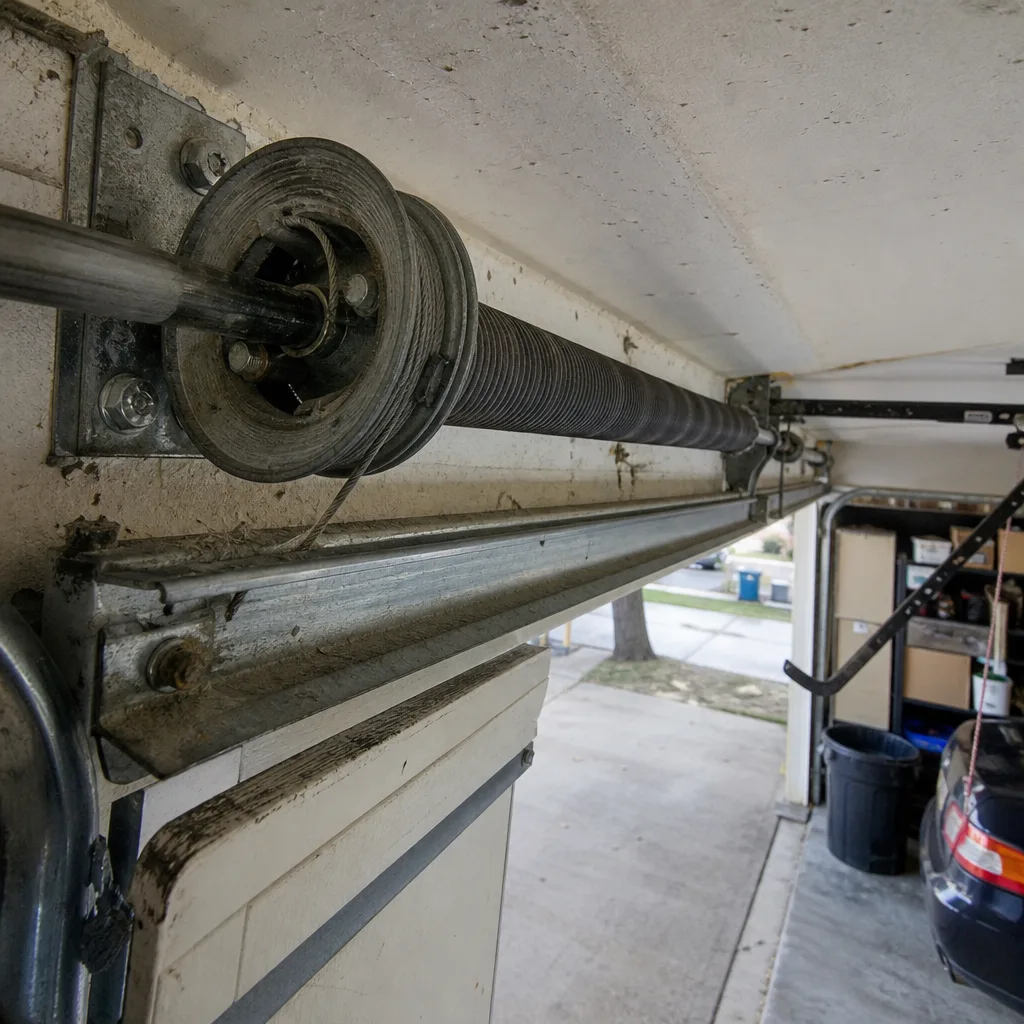 Before
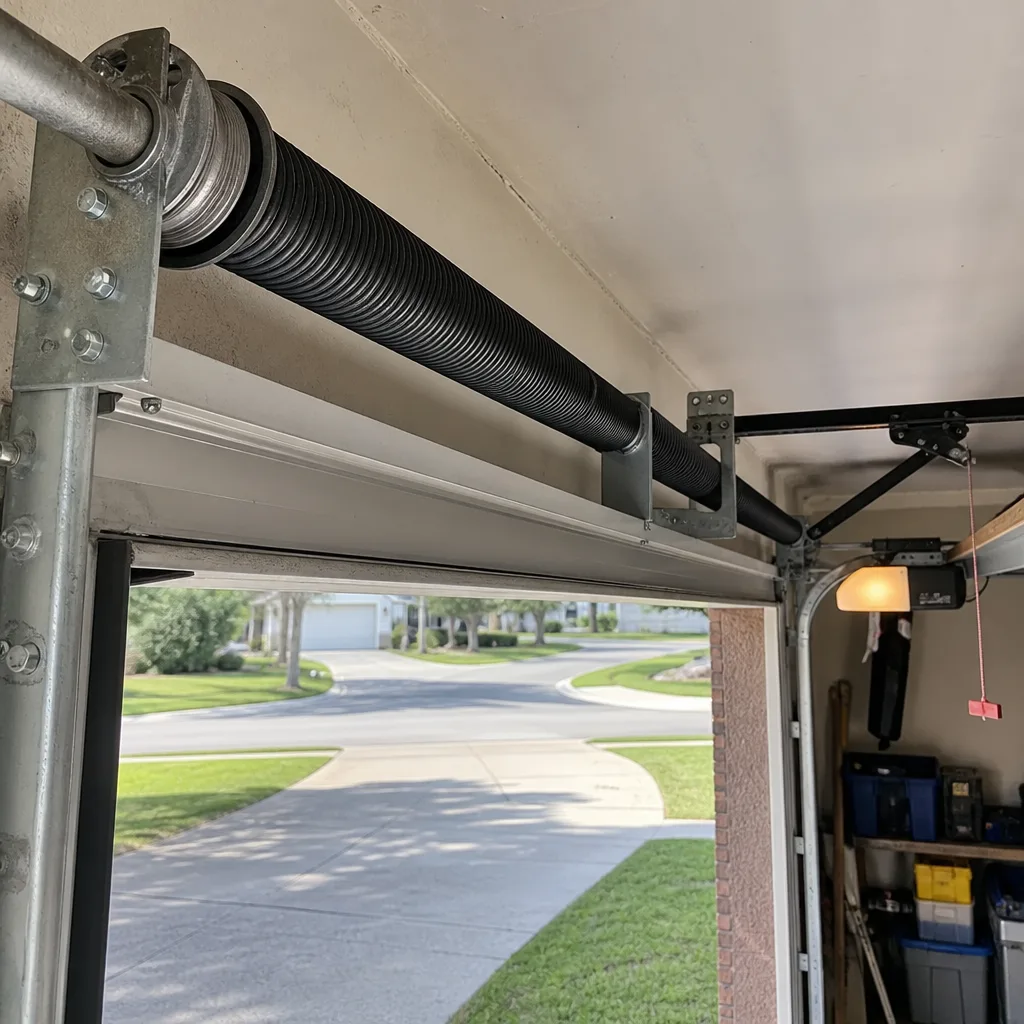 After
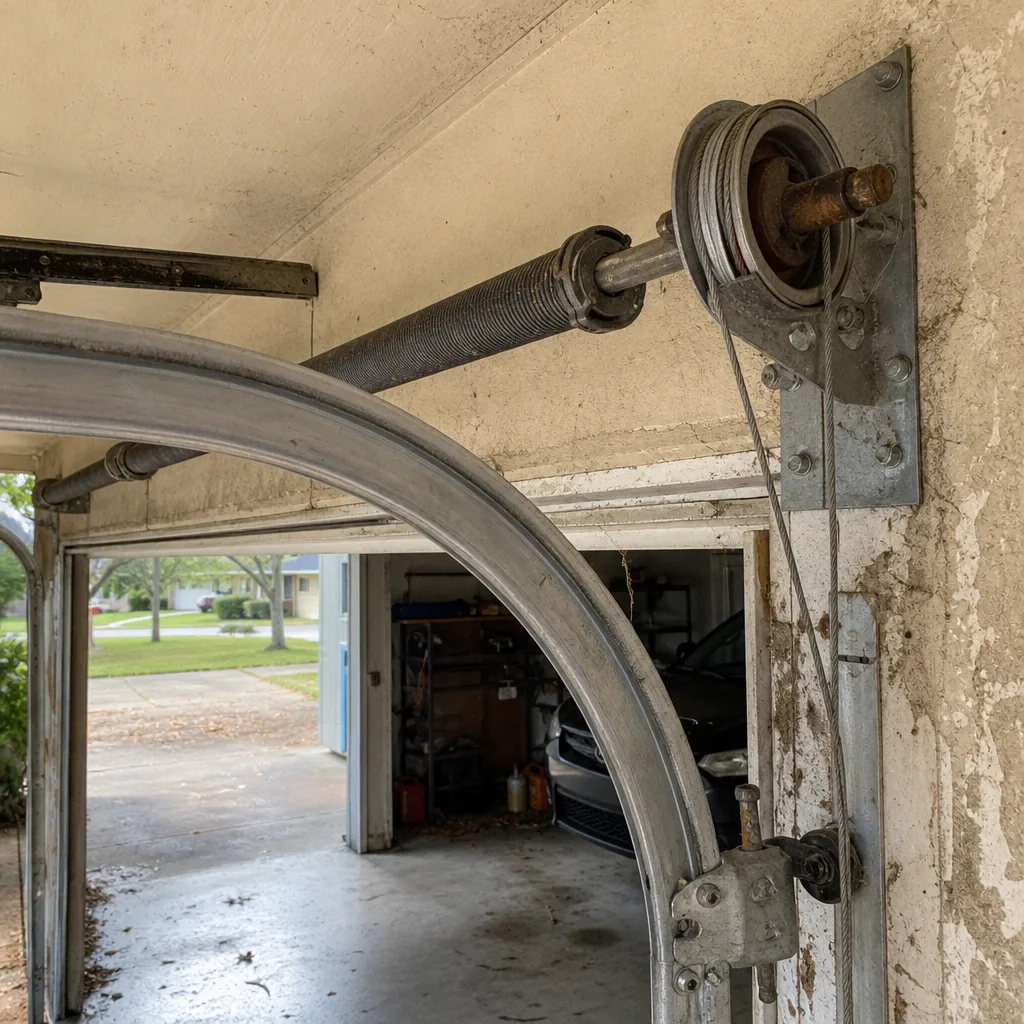 Before
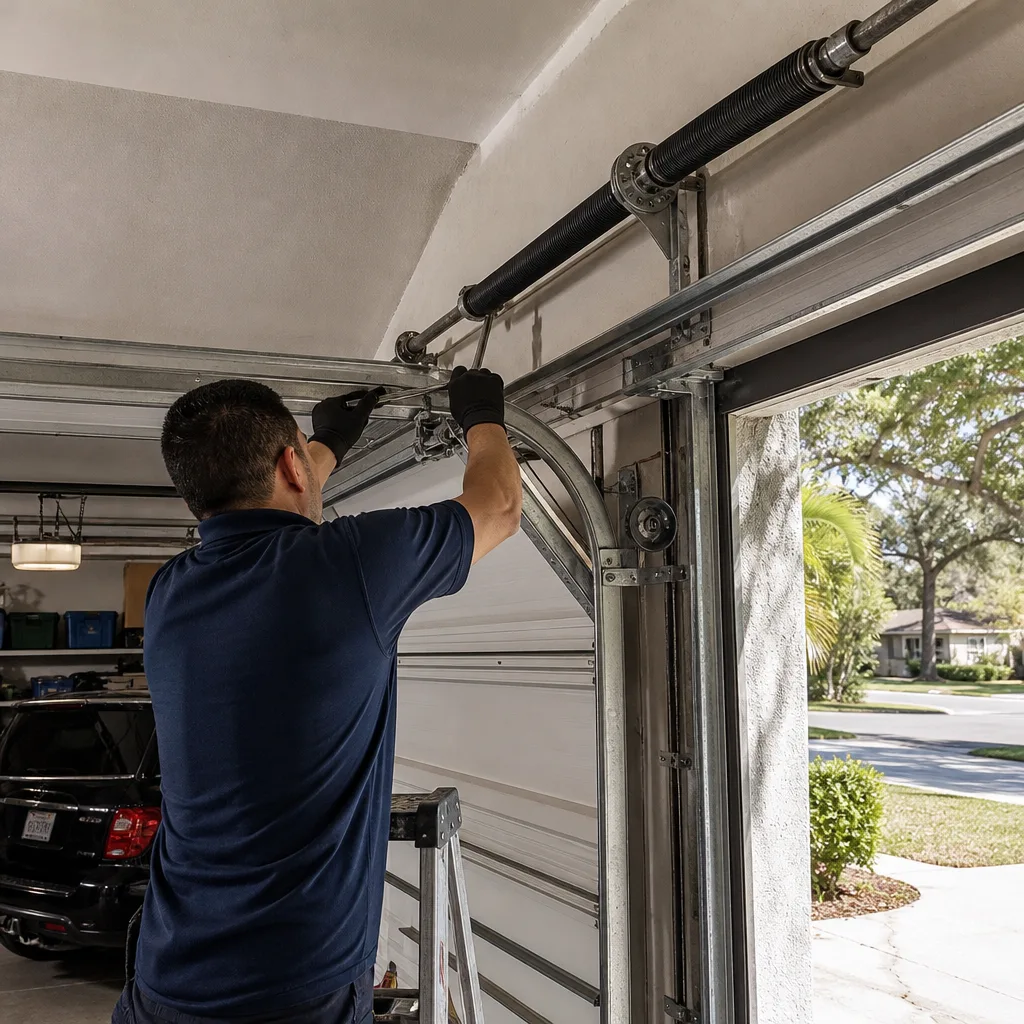 After
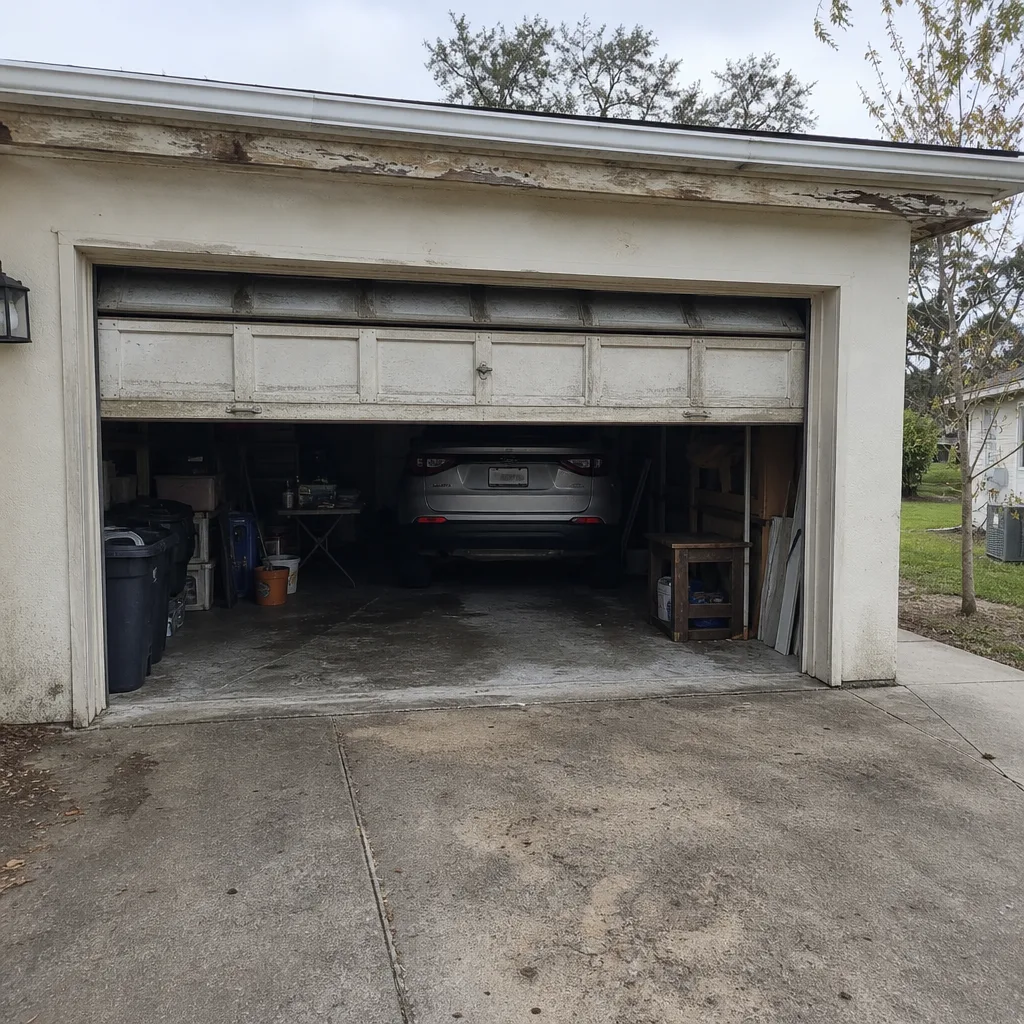 Before
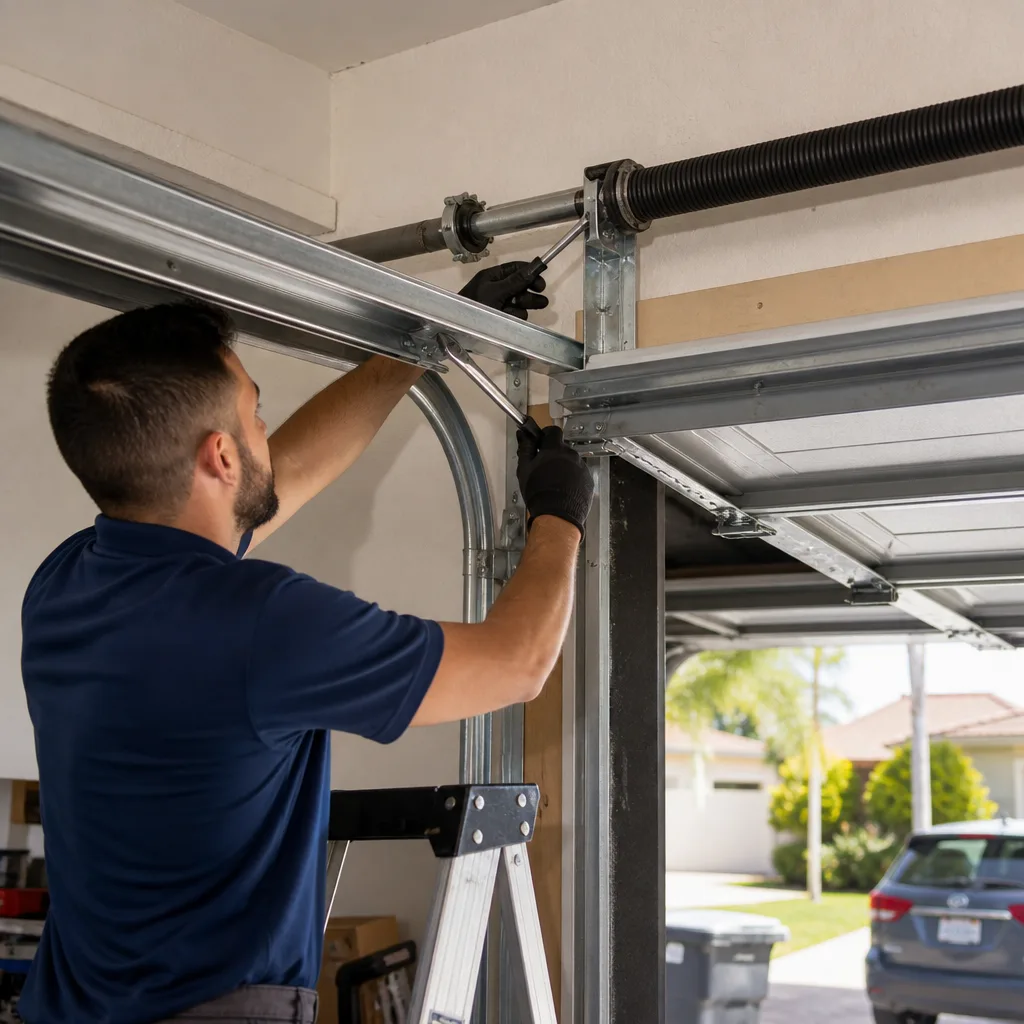 After