
Last updated October 17, 2026
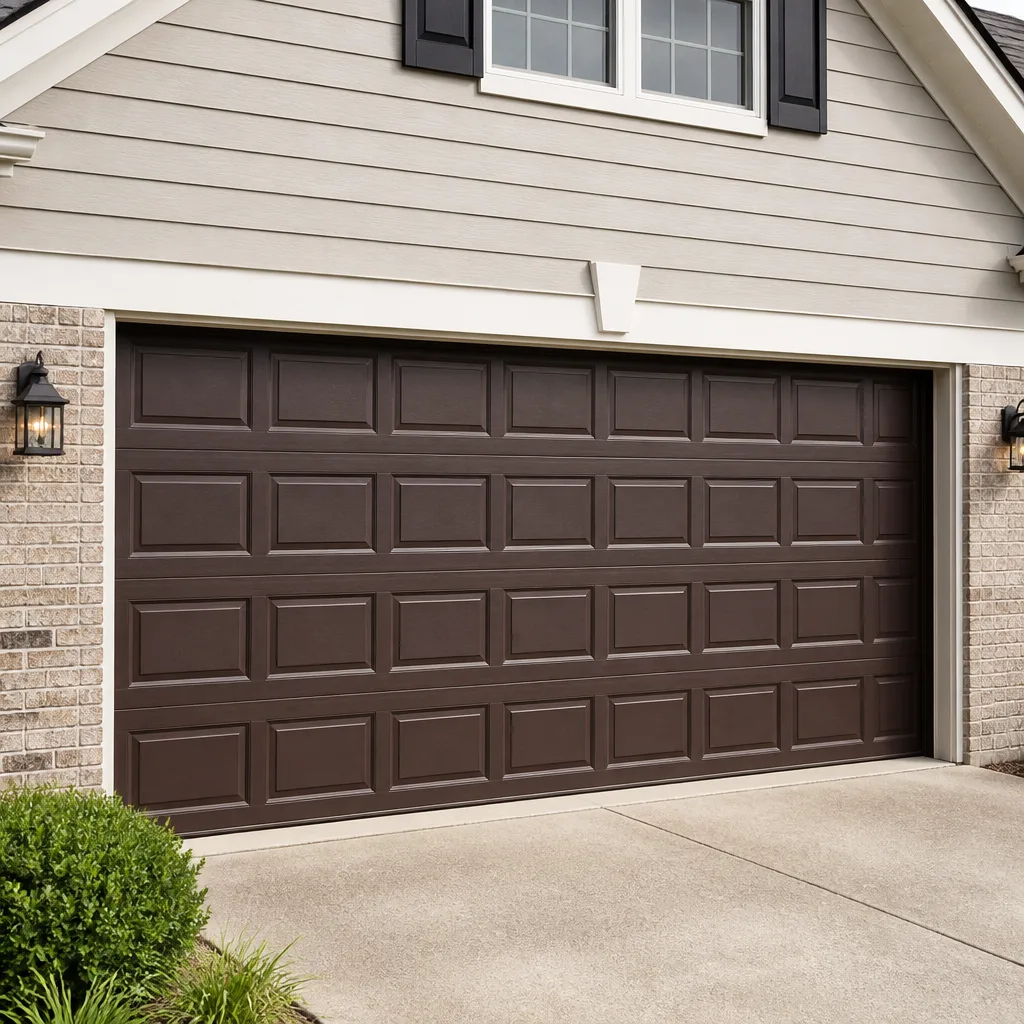 Raised-panel steel
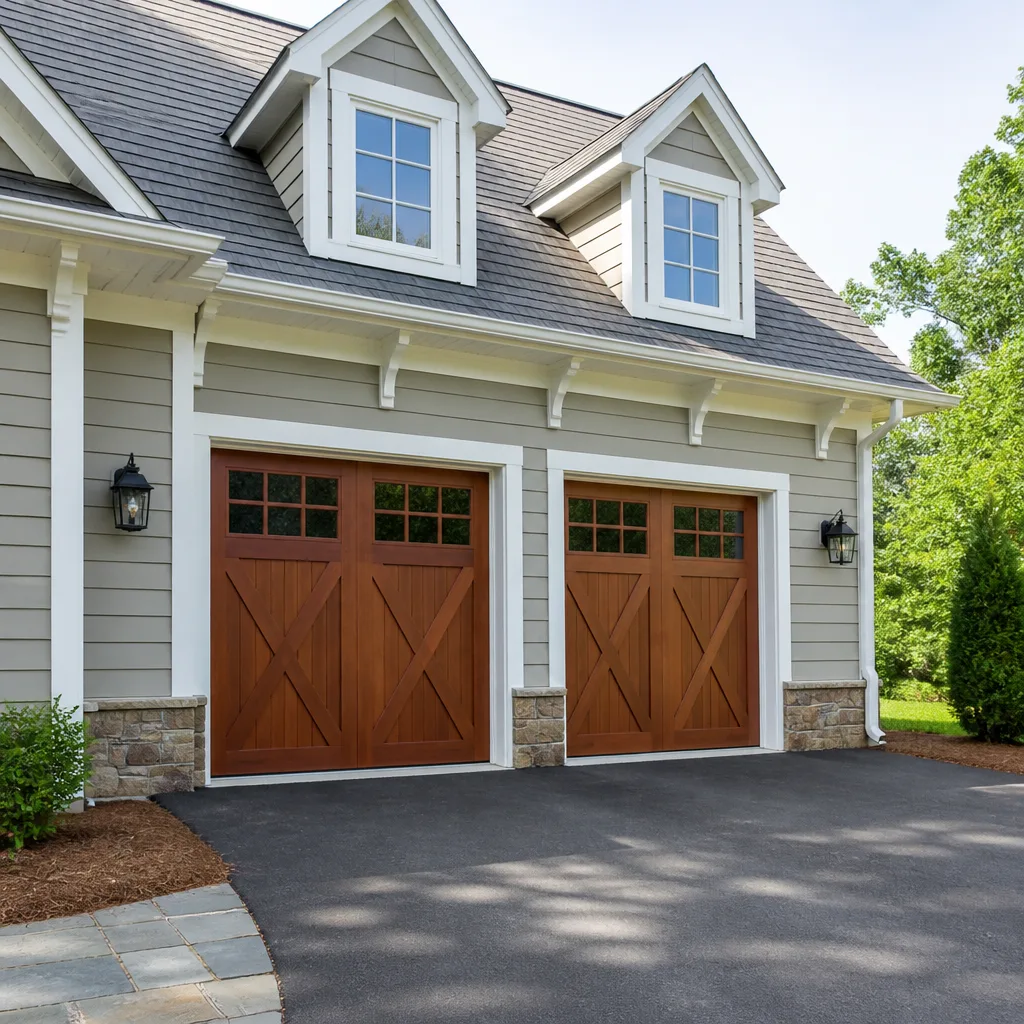 Carriage house
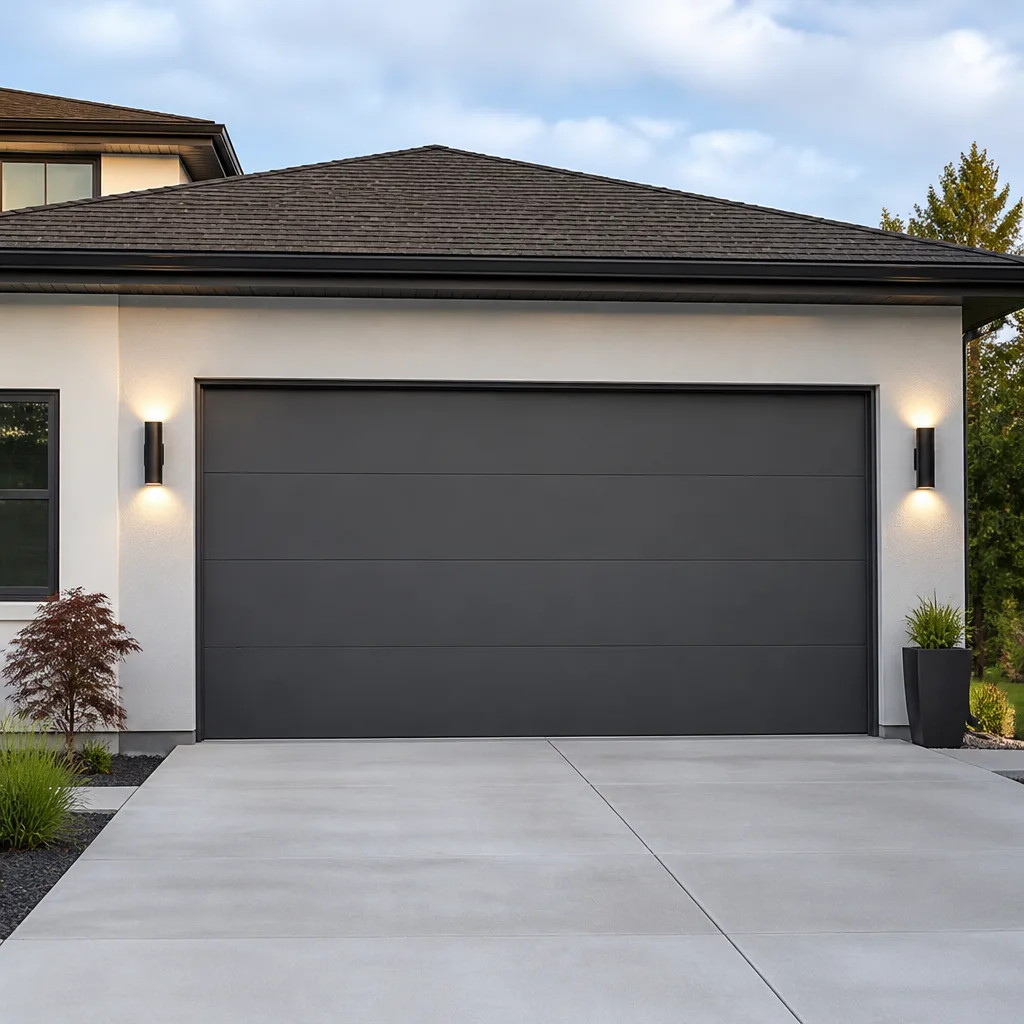 Modern flush
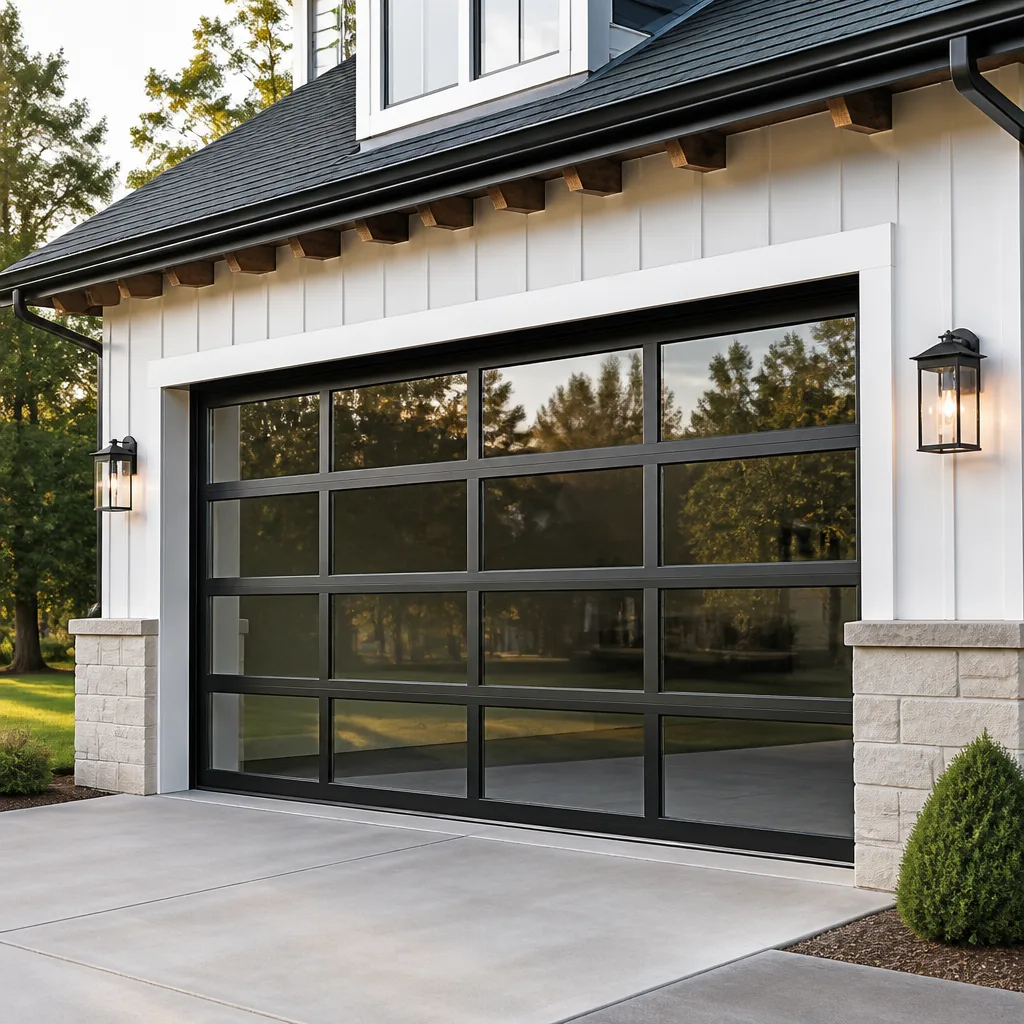 Full-view glass
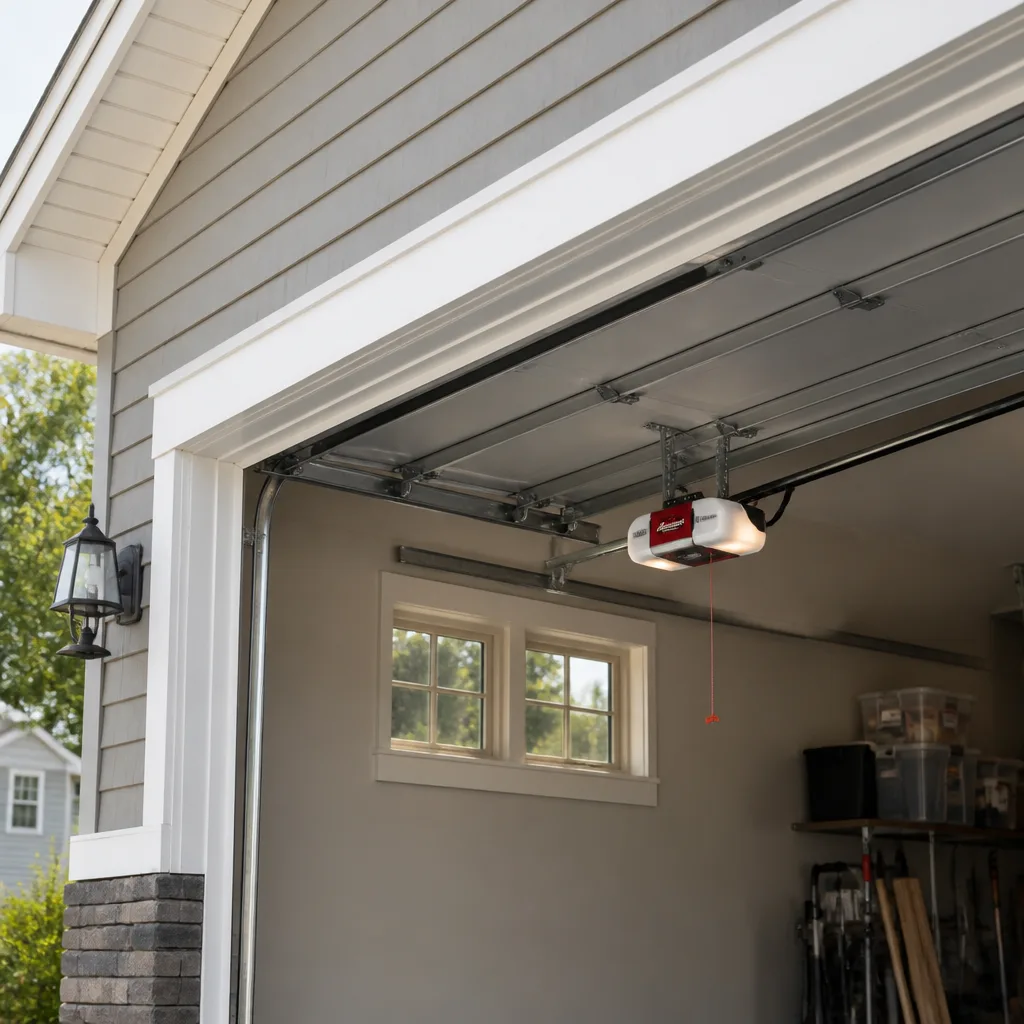 LiftMaster openers
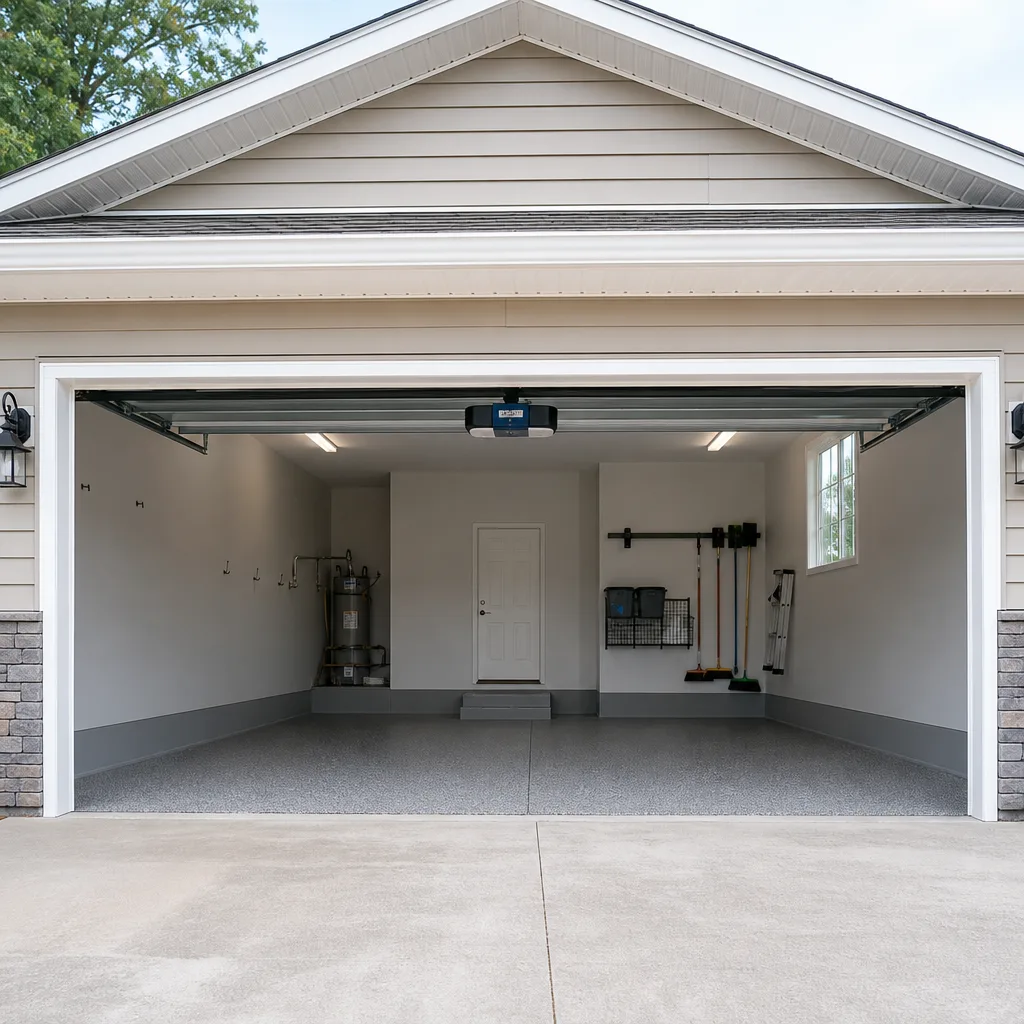 Chamberlain openers
Full 25-point door and opener safety check with every visit - springs, cables, rollers, tracks, and your LiftMaster or Chamberlain opener included
You get a price before we start. It does not change when the truck arrives.
Get your free estimateThe Complete Guide to Garage Door in Tampa
Tampa’s average humidity sits above 74% year-round. That single number changes how you should buy, maintain, and repair a garage door more than any brochure feature ever will. The grease inside your torsion spring isn’t just lubricating metal right now, it’s slowly binding with moisture and salt air from the bay, becoming a rust accelerant that shortens spring life well below the national average of 10,000 cycles. Most national garage door guides ignore this completely. This one is written from the ground up for Tampa, where a garage door isn’t just a moving wall, it’s a humidity-exposed, hurricane-rated envelope that affects your energy bill, your curb appeal, and how your home holds up against a storm. You’ll learn what actually matters, what to skip, and what to expect when it’s time to call someone.
Styles & brands we work with
Quick Answer
A garage door in Tampa is a home system, not a single product. It includes four load-bearing components: the door panels, the torsion or extension springs, the tracks and rollers, and the opener. Each component wears on a different timeline in Tampa’s heat and humidity, and a door that’s installed without accounting for Florida Building Code wind-load requirements can fail when it matters most. Garage door repair in Tampa typically costs between $125 and $450 for common issues, while a full replacement runs $1,200 to $3,800 depending on material and insulation level.
Table of Contents
- Why Tampa’s Climate Changes Everything About Garage Doors
- Spring Life Expectancy in Tampa: What 10,000 Cycles Really Means Here
- Door Materials That Survive Tampa’s Heat and Humidity
- Florida Building Code and Wind-Load Requirements in Hillsborough County
- Insulation and Your Cooling Bill: The Shared Garage Wall Problem
- What a Full Garage Door System Includes and Its Maintenance Timeline
- Opener and Brand Compatibility: What We Work On
- Common Mistakes to Avoid
- When to Call a Professional
- Frequently Asked Questions
- The Bottom Line
Why Tampa’s Climate Changes Everything About Garage Doors
Here’s what national guides miss: a garage door in Tampa lives in a salt-and-moisture bath that garage doors in Phoenix or Denver never experience. The combination of 74% average humidity, summer temperatures that push attic spaces above 120°F, and salt air drifting in from Tampa Bay attacks metal parts in three ways at once. Paint oxidizes faster. Bare steel rusts within months instead of years. And lubricants break down more quickly, losing their protective film and turning sticky.
In practice, that means a garage door system that would coast along for years with minimal attention in a dry climate needs a seasonal check here. Tracks accumulate a fine grit from salt-laden air that acts like sandpaper on nylon rollers. Bottom seals, softened by heat, flatten and crack sooner, letting rain from summer afternoon downpours seep under the door and across the garage floor. None of this is catastrophic on its own. All of it compounds.
We see this pattern in neighborhoods across Tampa: a door installed five or six years ago that suddenly binds mid-cycle, not because a spring broke, but because track alignment shifted after months of thermal expansion and contraction. The fix is usually simple when caught early. Left unaddressed, the opener motor strains against the resistance and burns out prematurely. That’s the difference between a $150 adjustment and a $400 opener replacement.
Spring Life Expectancy in Tampa: What 10,000 Cycles Really Means Here
The industry standard says a torsion spring is rated for 10,000 open-close cycles, which translates to roughly seven to nine years of normal use. That’s the national average. Tampa’s climate pulls that number down for reasons that have nothing to do with the spring’s steel quality.
Here’s what happens specifically in this region. Torsion springs sit under constant torsion tension, with a thin coat of grease protecting the coil surfaces. In high humidity, that grease absorbs moisture from the air. Over time, it emulsifies and loses its protective properties, leaving the spring wire exposed to corrosion. Once corrosion starts, it creates microscopic pits in the steel. Those pits become stress risers: points where the metal concentrates bending force and eventually fractures. A spring that would last 10,000 cycles in a dry garage in Colorado might fail at 7,000 or 8,000 cycles in a Tampa garage that faces the bay.
The maintenance answer isn’t complicated. A spring inspection twice a year, looking for rust blooms, uneven coil spacing, or visible gaps, catches most failures before they happen. The lubrication question is trickier in Tampa. Standard lithium grease works, but it attracts salt dust. A silicone-based lubricant holds up better in coastal air and doesn’t trap abrasive particles the same way. We use pet-safe silicone sprays on every garage door spring repair in Tampa for exactly this reason. It protects the metal and doesn’t leave a residue that a dog or cat might pick up on their paws walking through the garage.
Door Materials That Survive Tampa’s Heat and Humidity
Every door material behaves differently in sustained heat and moisture. Tampa’s specific conditions narrow the sensible choices considerably.
Steel
Steel remains the most common garage door material in Tampa and the best all-around value. Modern steel doors use galvanized or galvalume coatings that resist rust from the inside out. The weak point is not the panel face but the edges: any scratch, chip, or unsealed cut edge becomes an entry point for moisture. In Tampa, we recommend treating even small surface scratches with a rust-inhibiting touch-up paint within a week. It’s a five-minute job that can add years to a door’s life.
Aluminum
Aluminum resists corrosion naturally, which makes it attractive for coastal areas and homes near the water in South Tampa or Davis Islands. The tradeoff is dent resistance. Aluminum panels are softer than steel and show impact marks from bicycles, basketballs, and loose objects in a hurricane windstorm. For homeowners who prioritize rust resistance over dent resistance, it’s a legitimate choice.
Fiberglass
Fiberglass solves the dents-from-rust problem partially and the rust problem entirely. Modern fiberglass doors are built with steel frames inside fiberglass skins, giving them structural strength without exposed metal. In Tampa’s heat, fiberglass also holds paint better than steel and resists fading from UV exposure longer. The drawback is cost: you’ll pay 15% to 30% more than a comparable steel door, and the material is less forgiving during installation if the opening isn’t square.
Wood and Wood Composite
Wood composite doors behave differently in Tampa than they do in dry climates, and not in a good way. Wood absorbs moisture from humid air and swells. In a place like Austin or Albuquerque, a wood door stays dimensionally stable for decades. In Tampa, a solid wood door on a west-facing wall will expand, contract, warp, and eventually require refinishing far more often than its northern counterpart. If you’re set on the look, choose a wood-composite product from a manufacturer like Amarr or Wayne Dalton that’s specifically engineered with moisture-resistant resins. Skip true solid wood unless the garage is climate-controlled.
Florida Building Code and Wind-Load Requirements in Hillsborough County
Florida Building Code treats garage doors as part of the building envelope, which means a garage door in Hillsborough County is legally required to withstand specific wind-load pressures that vary by location. Tampa sits in a high-velocity hurricane zone for portions of the city and surrounding county. What this means in practical terms: a “standard” garage door installation in Tampa is not the same thing as a standard installation in Jacksonville or Atlanta.
Here’s what Hillsborough County requires and what it changes about your options:
- Wind-load rating: Garage doors must be rated for the specific wind zone of your property. The rating is printed on a label attached to the door panel. Homes closer to the bay and in evacuation zones often require higher ratings.
- Impact resistance or shutters: In many parts of Hillsborough County, a garage door must either be impact-rated or protected by storm shutters. Impact-rated doors are reinforced with a stronger interior structure and laminated glass in window sections.
- Reinforced tracks and mounting: The track system and all attachment points must be strengthened to keep the door in place under positive and negative wind pressure. Standard residential tracks bend under hurricane-force winds and let the door blow in or out.
- Permits: Garage door replacement in Tampa requires a building permit. A licensed installer pulls the permit, schedules the inspection, and documents the wind-load compliance on the final paperwork.
If you’re replacing a garage door after a storm or as part of a renovation, verify the wind-load rating before you buy. A door that isn’t rated for your zone will fail inspection and can complicate an insurance claim. For garage door installation in Tampa, we check wind-zone requirements on every job before we order a single panel.
Insulation and Your Cooling Bill: The Shared Garage Wall Problem
In many Tampa homes, the garage shares at least one wall with a living space: a family room, a bedroom, or a hallway that runs along the garage side of the house. When that shared wall exists, the temperature inside the garage directly affects how hard your air conditioner works. A garage that bakes at 110°F in the afternoon radiates heat through that shared wall for hours after the sun goes down, forcing the AC to run longer cycles just to hold the indoor temperature steady.
An insulated garage door changes that equation. A well-insulated door with an R-value of 12 or higher can keep the garage 15 to 20 degrees cooler on a hot summer day. That’s not enough to make the garage comfortable, but it’s enough to reduce the heat load bleeding into adjacent living spaces. Utility studies consistently show that an attached garage with an insulated door and sealed weatherstripping cuts the cooling cost for the adjacent room by 10% to 20% during Tampa’s hottest months.
Insulation choices break down like this:
- Polystyrene panels: The most common, least expensive option. Rigid foam panels glued or friction-fit inside the door sections provide an R-value around 6 to 9.
- Polyurethane injection: A denser foam injected between steel skins that bonds to both surfaces, increasing structural rigidity and pushing R-values to 12 to 18. This is the best choice for Tampa homes with an attached garage.
- Uninsulated doors: Still workable for detached garages or homes where the garage doesn’t share a wall with living space, but a poor choice for most Tampa floor plans.
Pair an insulated door with fresh bottom seal and side weatherstripping, and you’ve also closed the gaps where humid outside air sneaks in. In Tampa’s climate, humidity control in the garage is half the battle against mold, mildew, and musty smells that drift into the house.
What a Full Garage Door System Includes and Its Maintenance Timeline
A garage door isn’t one thing. It’s a collection of interdependent parts, and each one ages on its own schedule. Here’s the full system and how each component holds up in Tampa conditions.
Door Panels
The visible face of the system. Steel and aluminum panels need a twice-yearly wash with mild soap to remove salt film and prevent paint oxidation. Wood composite panels need annual inspection around the bottom edge for moisture wicking. Expect 20 to 30 years of life from a quality door with proper maintenance.
Torsion or Extension Springs
The counterweight that makes the door feel light. In Tampa, inspect every six months for rust blooms and uneven spacing. Replace when rust pits appear or coil spacing becomes irregular. Typical replacement interval: 7 to 10 years. Garage door spring repair in Tampa should be done by a professional, never as a DIY job. The tension in a torsion spring is high enough to cause serious injury if it releases unexpectedly.
Tracks and Rollers
The rails and wheels that guide the door up and down. Nylon rollers run quieter than steel rollers and resist the grit accumulation Tampa’s salt air produces. Clean tracks with a dry cloth every season; lubricate rollers with a light silicone spray twice a year. Rollers typically last 10 to 15 years.
Weatherstripping and Bottom Seal
The rubber and vinyl strips that seal the door edges against rain, humidity, and insects. Tampa’s heat softens rubber seals, and summer thunderstorms stress-test them weekly. Inspect monthly during the rainy season. Replace when flattened, cracked, or no longer making full contact with the floor. Cost: $25 to $75 for the seal itself.
Opener
The motorized unit that moves the door. Chain-drive openers are loud and durable; belt-drive openers run quieter, which matters if a bedroom sits above the garage. In Tampa’s heat, opener logic boards and capacitors fail faster than the motor itself. Expect 10 to 15 years from a quality opener, less if the door is out of balance and the motor strains on every cycle. We work on openers from LiftMaster, Chamberlain, Genie, and Craftsman, among others.
Here’s the maintenance timeline in a single list:
- Monthly: Inspect weatherstripping and bottom seal during rainy season
- Every 3 months: Wash panels to remove salt film
- Every 6 months: Inspect springs for rust; lubricate rollers and hinges with silicone; check track alignment
- Annually: Test balance by disconnecting the opener and lifting the door manually; inspect cables for fraying
- Every 5 to 7 years: Replace springs preventively if rust is present
- Every 10 to 15 years: Replace rollers and consider opener replacement
Opener and Brand Compatibility: What We Work On
One question we get often is whether a specific brand is better in Tampa. The honest answer: the brand matters less than how the opener is installed and whether the door itself is balanced. A well-balanced door lets a basic opener last 15 years. A badly balanced door destroys a premium opener in five. That said, some brands hold up better in humid conditions than others. LiftMaster and Chamberlain openers have sealed logic boards that resist humidity-related failures better than older designs. Genie units offer solid belt-drive options at a lower price point. Raynor openers are less common in Tampa but are built well and integrate cleanly with Raynor doors.
Our technicians are trained on eight major brands: LiftMaster, Chamberlain, Genie, Clopay, Amarr, Wayne Dalton, Craftsman, and Raynor. When you call with an opener problem, we carry common replacement parts for all of them on the truck, so a garage door repair in Tampa visit usually means one trip, not two. If we don’t have a part, we tell you before we leave and give you a written price for the follow-up.
Common Mistakes to Avoid
- Skipping wind-load verification. A door rated for a lower wind zone is cheaper, and some online sellers will ship it to a Tampa address without asking questions. If it fails inspection or blows in during a storm, the savings vanish. Always confirm the wind rating matches your Hillsborough County address.
- Using petroleum-based grease on springs. It attracts salt dust and creates the exact abrasive paste that shortens spring life in Tampa. Use a silicone-based lubricant instead.
- Ignoring a noisy door. Grinding, squealing, or rattling sounds rarely fix themselves. They usually mean rollers are wearing or the door is out of balance, and the longer it runs, the more it costs to fix.
- Replacing the opener without checking the door balance. A heavy, unbalanced door will kill a new opener’s motor within a few years. Check the balance first.
- Choosing a wood door for the look without considering maintenance. Solid wood doors warp and swell in Tampa’s humidity. If you want the look, choose a wood composite designed for coastal climates, or budget for annual refinishing.
- Not replacing weatherstripping after a hurricane season. Weakened seals let rain, humidity, and insects into the garage year-round. Check them every month during the summer storm season.
When to Call a Professional
Some jobs are safe to handle yourself: washing panels, cleaning tracks, checking weatherstripping. Other jobs are not. If a torsion spring has snapped, if cables are fraying, if the door is off its tracks, or if the opener is sparking or smoking, stop and call a professional. Spring and cable systems are under extreme tension. A sudden release can cause serious injury. Fernbrook Garage Doors Tampa home service area covers all of Tampa, and our technicians arrive in uniform, with shoe covers, and with a written price before any work starts. Fernbrook Garage Doors Tampa offers free estimates in Tampa, call (850) 831-4801.
Frequently Asked Questions
Most garage door repairs in Tampa run between $125 and $450. A broken spring replacement typically falls in the $180 to $340 range, a new opener runs $250 to $600 installed, and a full door replacement spans $1,200 to $3,800 depending on material and insulation level. Call (850) 831-4801 for an exact quote, estimates are free, and the price is always written before any work begins.
In Tampa, expect seven to ten years from a quality torsion spring, compared to the national average of ten to twelve. Salt air and high humidity accelerate corrosion on the spring wire. A twice-yearly inspection and silicone-based lubrication help stretch that lifespan toward the upper end. Call (850) 831-4801 to schedule a spring inspection.
Most of Hillsborough County requires a garage door with a wind-load rating specific to your property’s wind zone, and portions of Tampa require impact-resistant doors or shutter protection. Your address determines the exact requirement. A licensed installer verifies this for you before ordering a door. Call (850) 831-4801 and we’ll check your address against current code.
Yes. A live person answers our phone 24 hours a day, 7 days a week, and we keep same-day slots open for emergencies like snapped springs, doors off track, or openers that won’t close. Call (850) 831-4801 and you’ll speak to someone immediately.
No. We provide a written price before any work starts, and that price is what you pay. If we discover something unexpected during the repair, we stop, show you what we found, and get your approval on a new written price before continuing. There are no surprise invoices at the end of the visit.
Yes. Our technicians carry common springs, rollers, cables, hinges, weatherstripping, and opener parts for LiftMaster, Chamberlain, Genie, Clopay, Amarr, Wayne Dalton, Craftsman, and Raynor on the truck. Most repairs are completed in one visit. Call (850) 831-4801 with the details and we’ll confirm before we dispatch.
The Bottom Line
A garage door in Tampa is a system that interacts with everything around it: the humid air, the salt breeze, the shared walls of your house, the hurricane code, and your monthly cooling bill. The door that opens reliably today may be silently corroding in ways a national guide never warned you about. The maintenance timeline is simple, the wind-load requirements are specific, and the insulation choice has a measurable effect on your utility costs. Whether you need a garage door repair in Tampa or a full replacement, the first step is a phone call to a technician who knows this climate and shows up with a written price before touching a single bolt.
Written by Jesse Calder, Owner at Fernbrook Garage Doors Tampa, serving Tampa since 2002.
See the difference
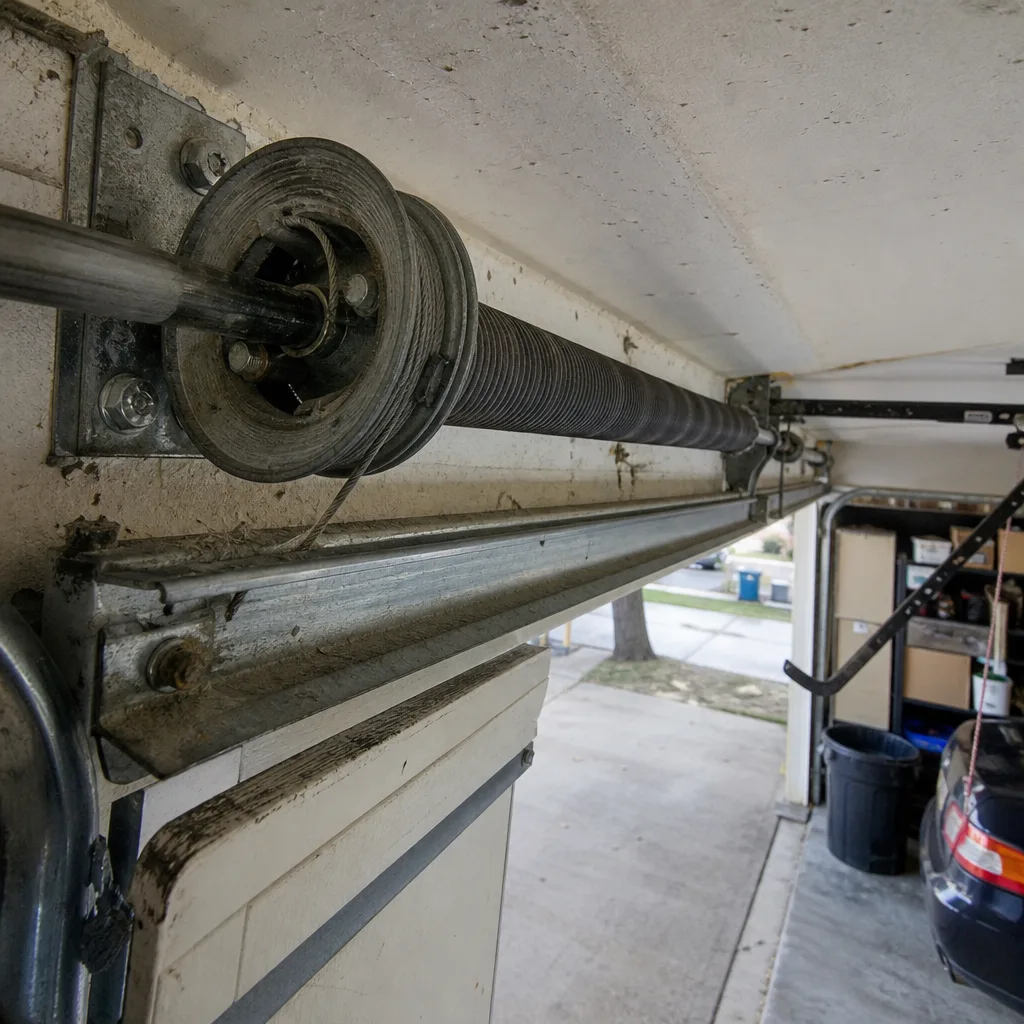 Before
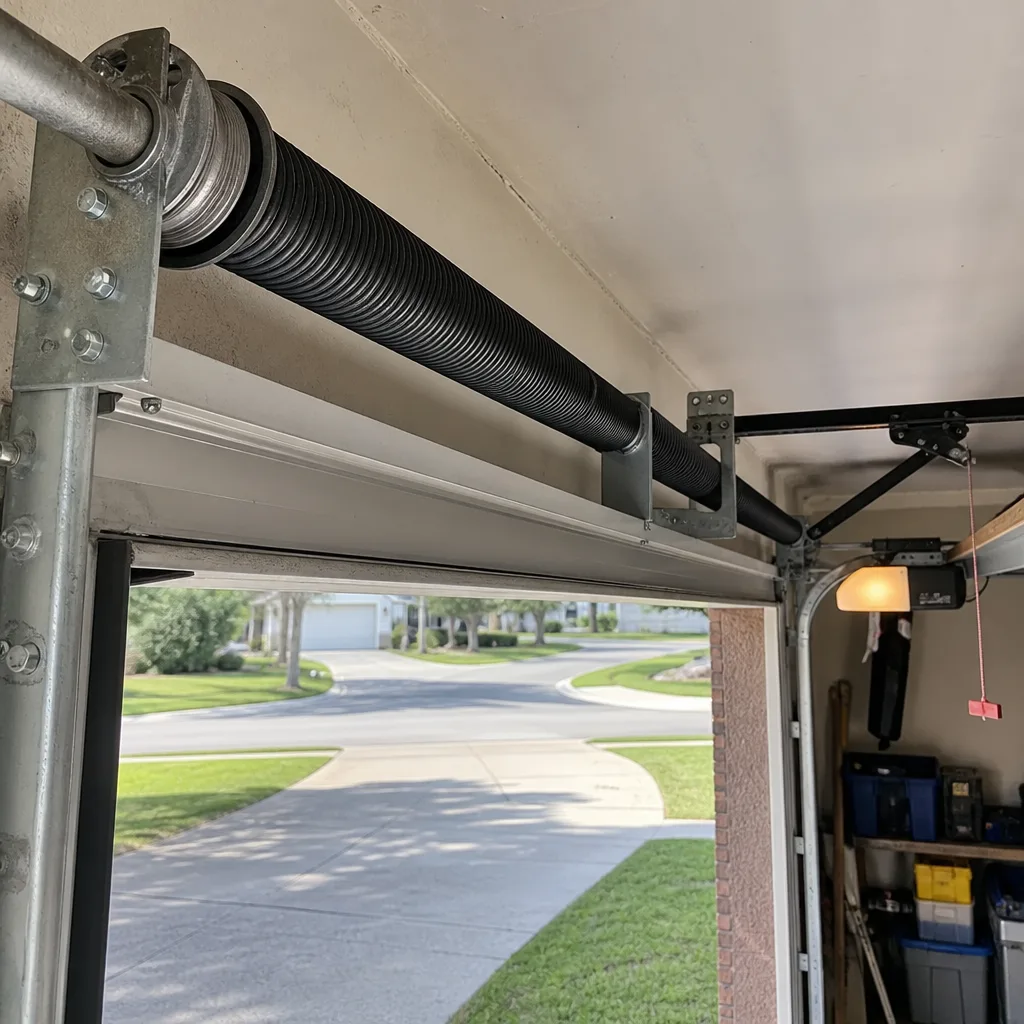 After
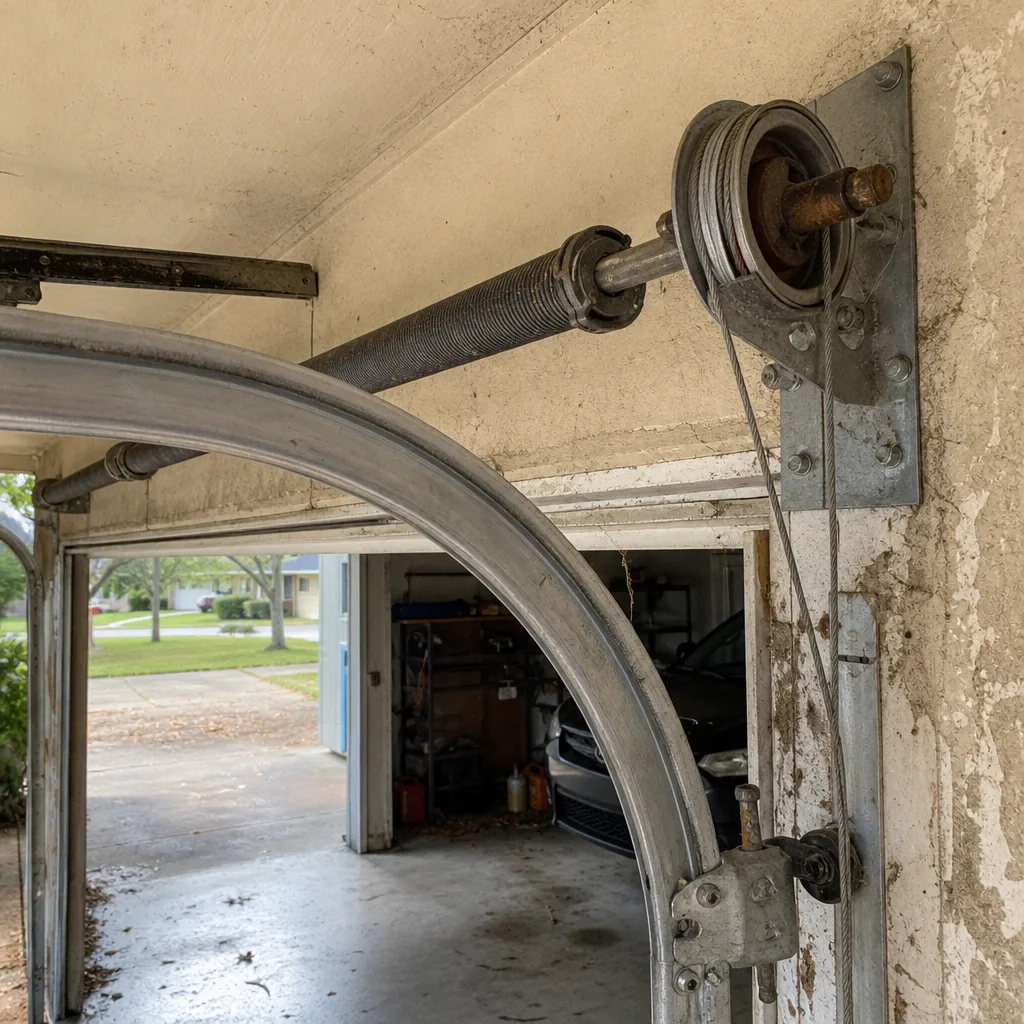 Before
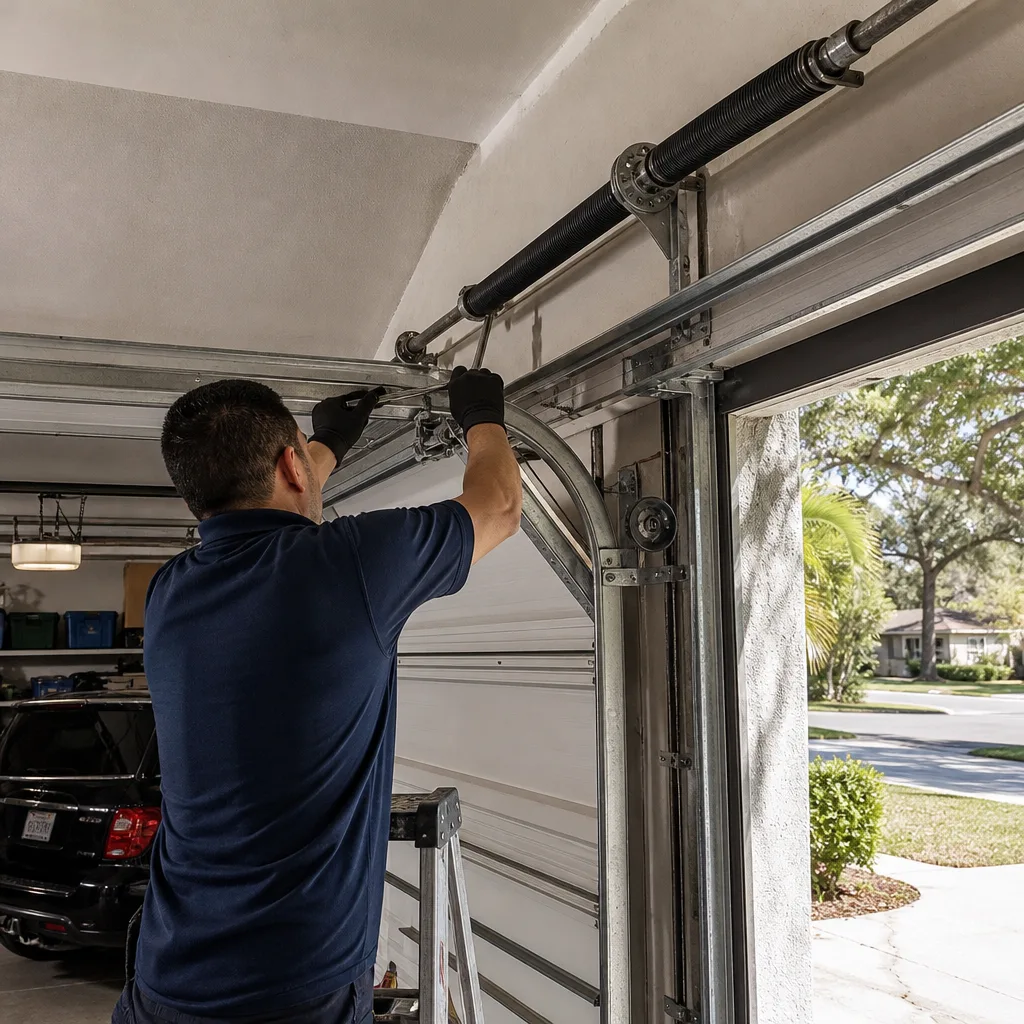 After
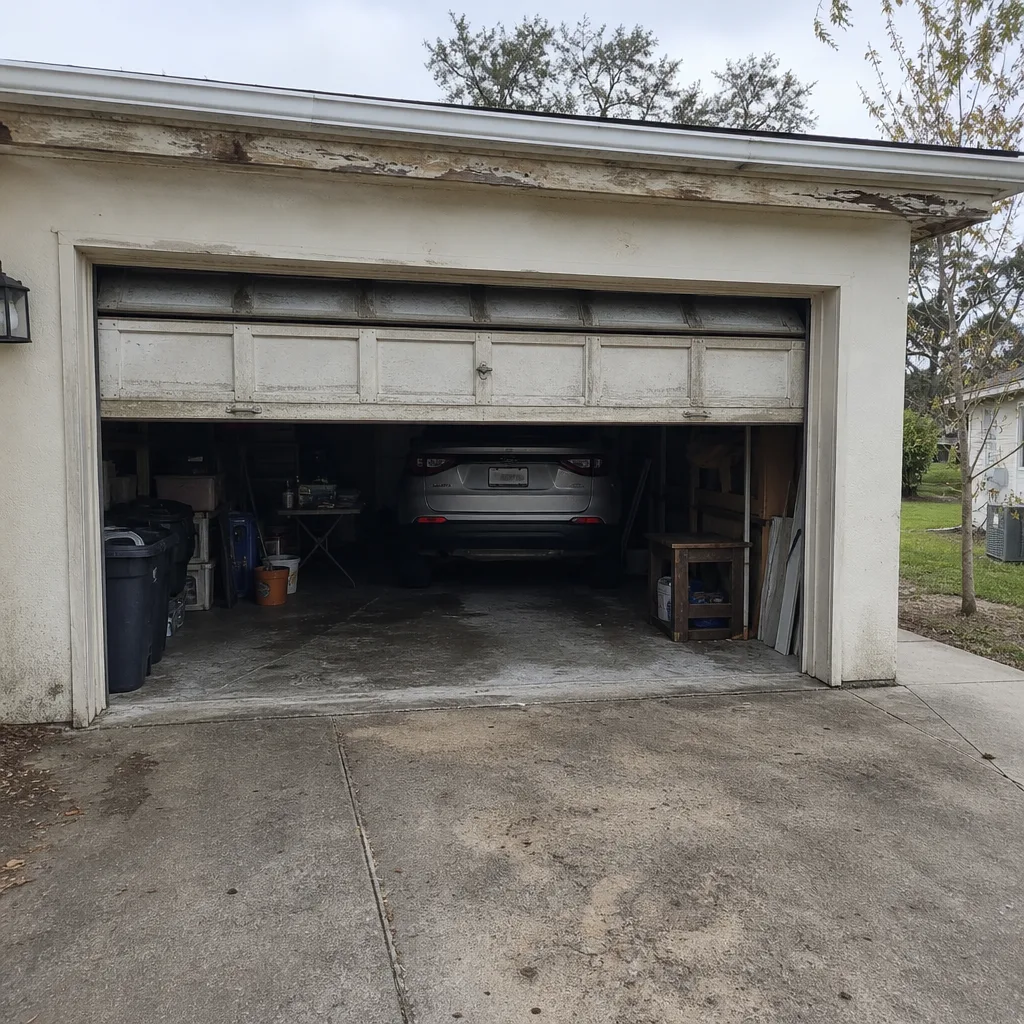 Before
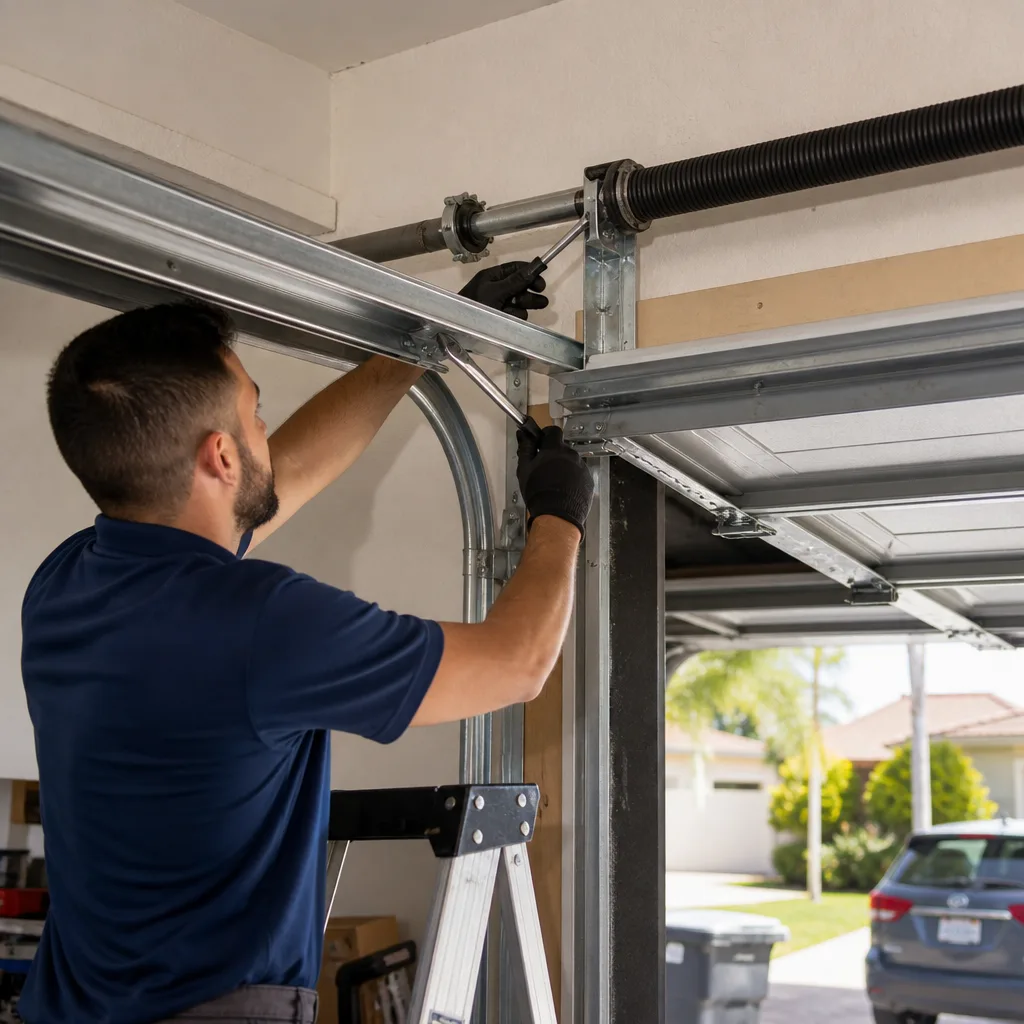 After