
Last updated October 17, 2026
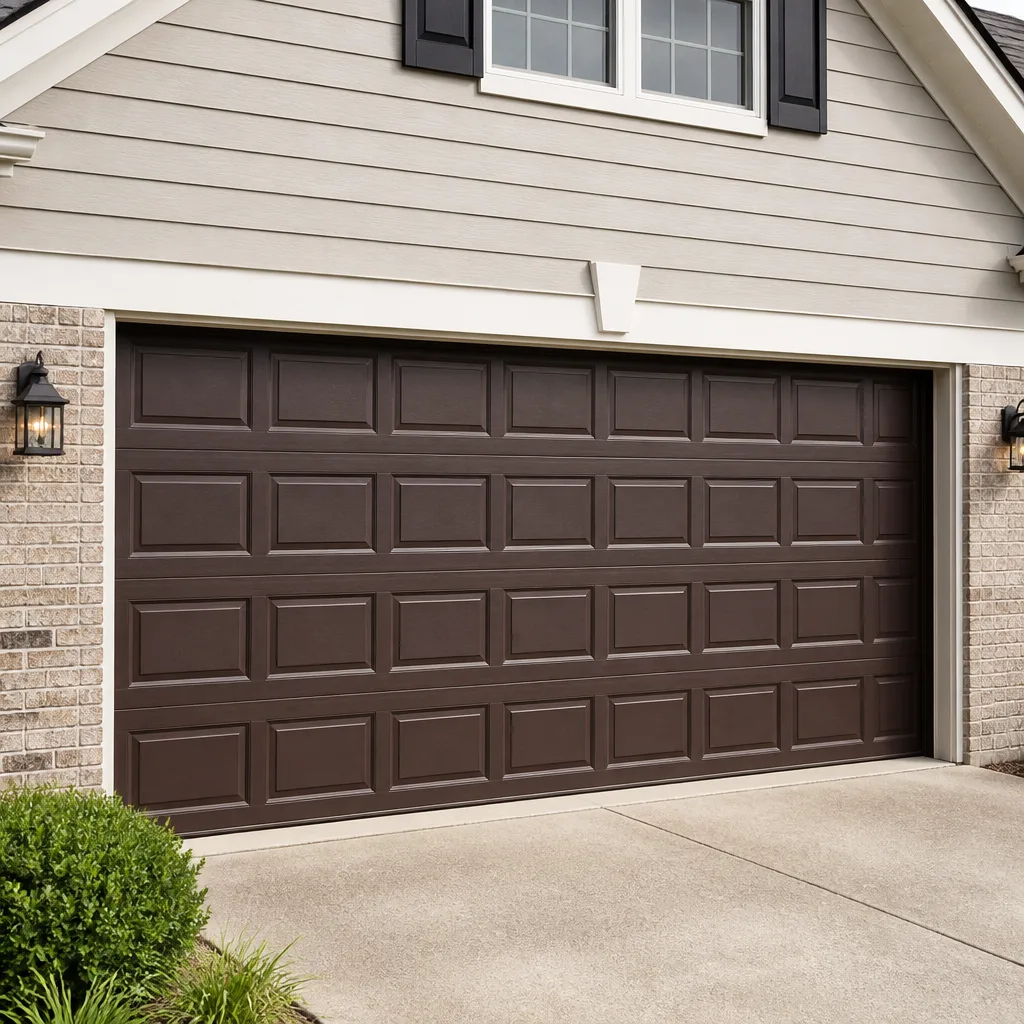 Raised-panel steel
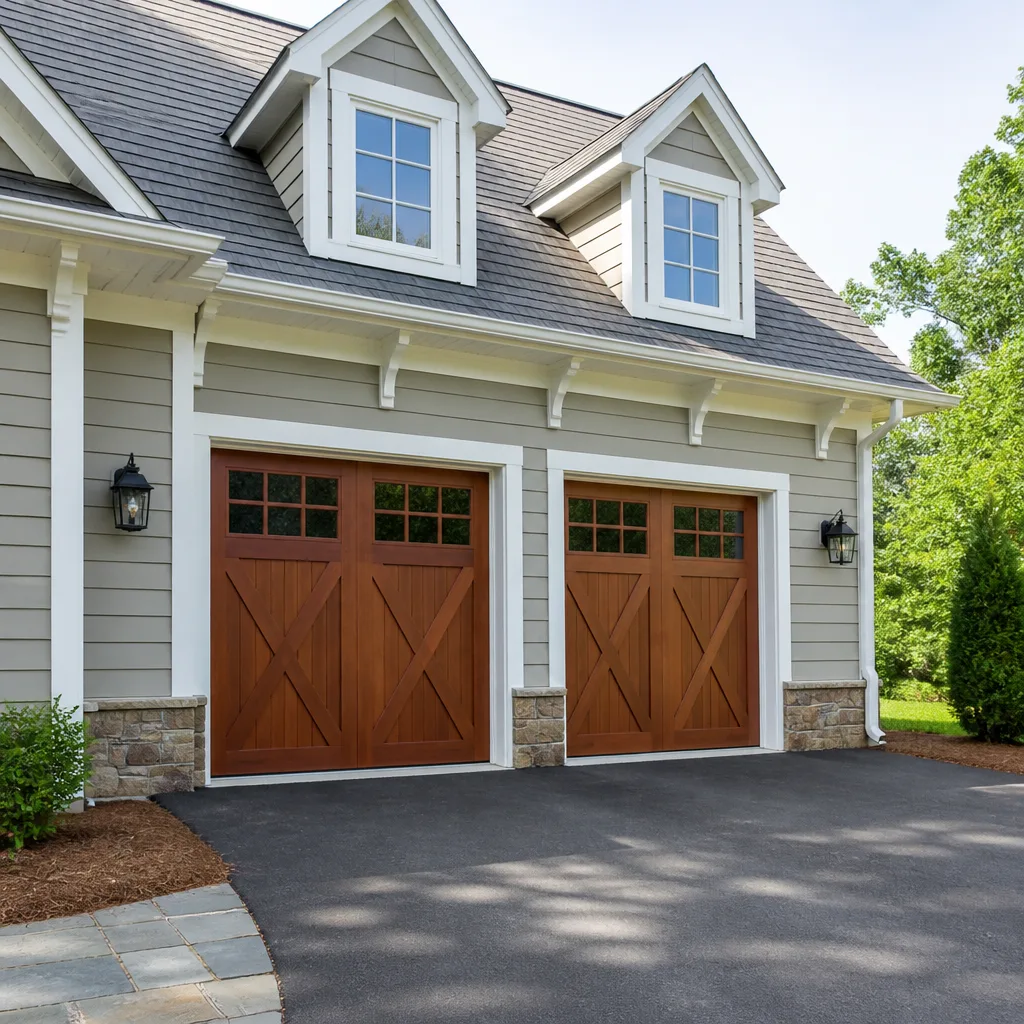 Carriage house
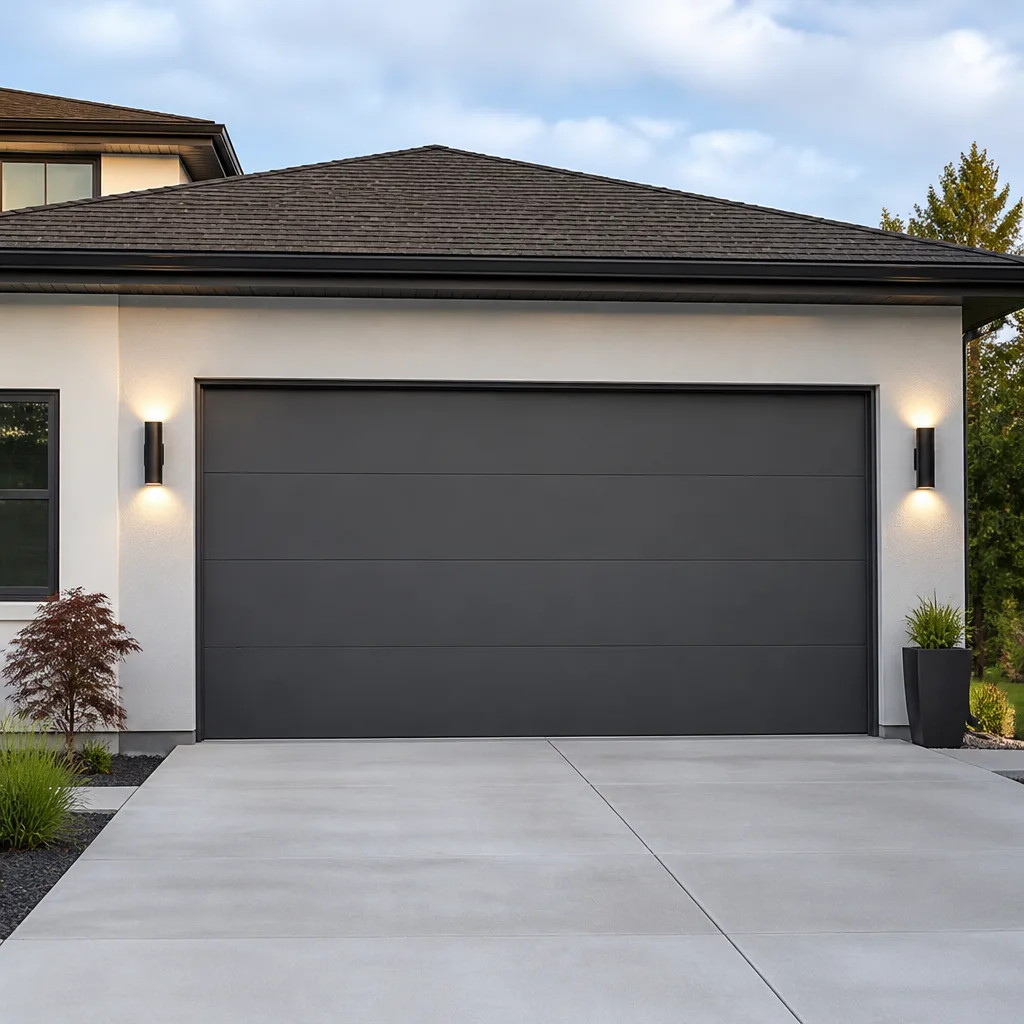 Modern flush
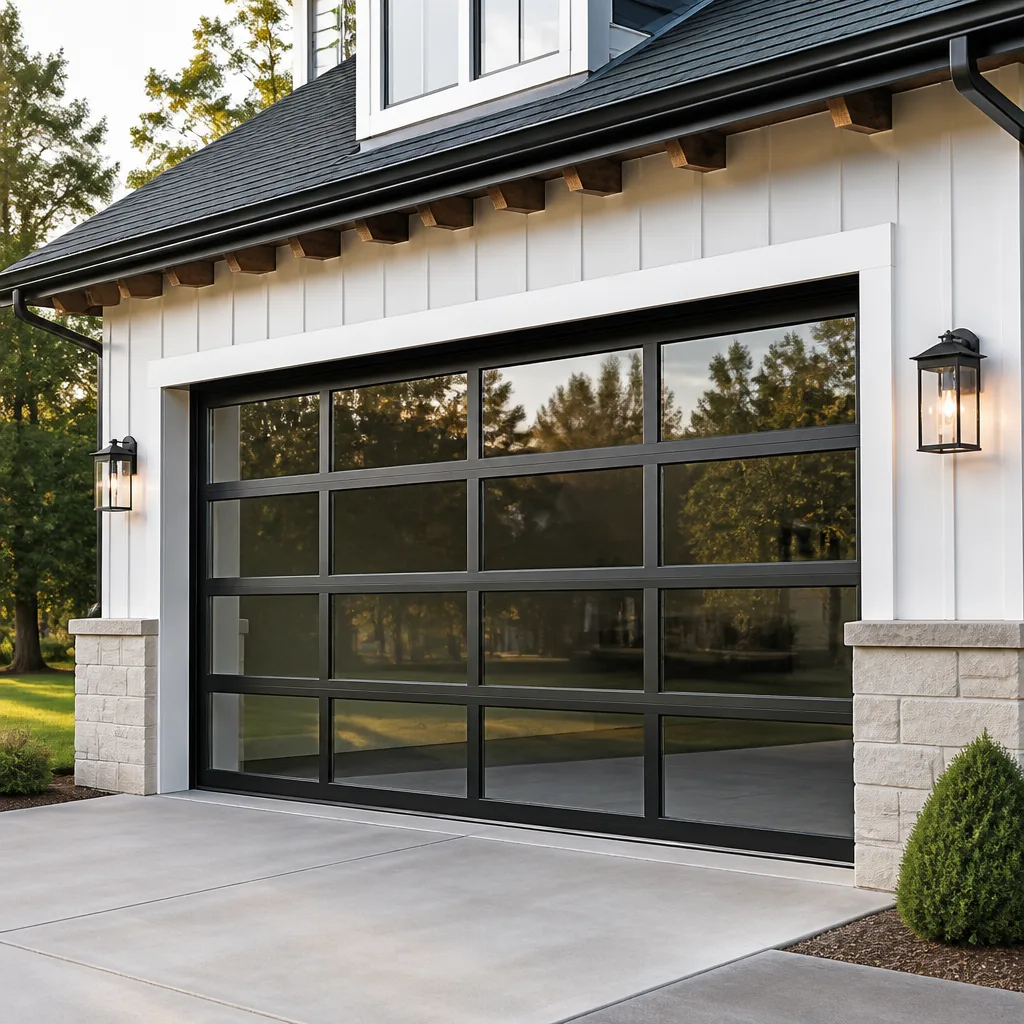 Full-view glass
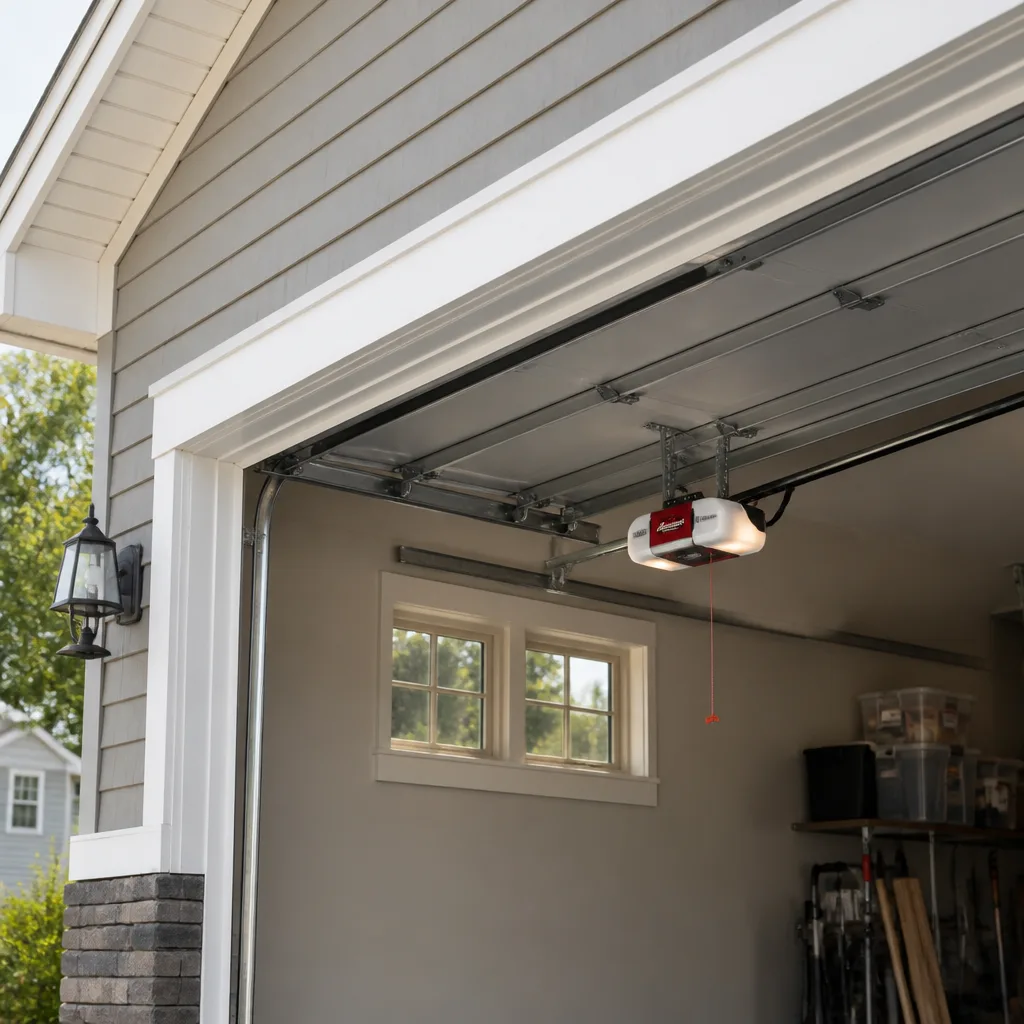 LiftMaster openers
 Chamberlain openers
Full 25-point door and opener safety check with every visit - springs, cables, rollers, tracks, and your LiftMaster or Chamberlain opener included
You get a price before we start. It does not change when the truck arrives.
Get your free estimateSeasonal Garage Door Care for Tampa: Year-Round Homeowner’s Guide
Tampa doesn’t get four seasons in the traditional sense. What Tampa gets is two: a wet season that runs roughly June through September, and a dry season that spans October through May. Each one stresses garage doors in completely different ways. This guide maps out exactly what happens to your springs, seals, tracks, and opener during each stretch of the year, what to do before each season arrives, and what to watch for in between. For a deeper dive, see The Complete Guide to Garage Door in Tampa. If you live in Tampa, your garage door survives a hotter, wetter, more corrosive environment than doors in almost any other part of the country. Here’s how to help it last.
Quick Answer
Seasonal garage door maintenance in Tampa means preparing for two distinct stress periods each year. Before the wet season, inspect and replace failing bottom seals, clear debris from the garage floor drain channel, and lubricate moving parts with a moisture-resistant product. Before the dry season, check weatherstripping for UV cracking, tighten hardware that temperature swings have loosened, and test the opener’s force settings, which can drift as the heat builds.
Styles & brands we work with
Table of Contents
- Why Tampa’s Climate Stresses Garage Doors Differently
- The Pre-Wet-Season Checklist: What to Do in May
- The Pre-Dry-Season Checklist: What to Do in October
- Temperature Cycling and Your Opener: Why January Calibration Fails by July
- The 48-Hour Hurricane Window: What to Do Before a Named Storm
- After a Major Rain Event: The One Debris-Clearing Step That Prevents Track Damage
- Common Mistakes to Avoid
- When to Call a Professional
- Frequently Asked Questions
Why Tampa’s Climate Stresses Garage Doors Differently
A garage door in Phoenix fights heat and dust. A garage door in Minneapolis fights ice and road salt. A garage door in Tampa fights water, UV radiation, salt air, and rapid humidity swings, often in the same week. The combination is harder on doors than any single extreme.
The wet season brings daily afternoon thunderstorms, 70 to 80 percent ambient humidity, and standing water that pools at the base of the door. The dry season brings lower humidity but intense, direct sun with UV indexes regularly above 8, and cooler overnight temperatures that cause metal parts to contract. That daily expand-and-contract cycle in the dry months, followed by six months of near-constant moisture in the wet months, is the core challenge for springs, cables, seals, and rollers in this city.
We’ve worked on garage doors across Tampa, from South Tampa to Carrollwood to New Tampa, and the patterns are consistent. Bottom seals rot faster near the bay and in low-lying neighborhoods like Palma Ceia and Beach Park where water sits longer. Rust forms faster on doors that face west, because afternoon sun bakes the moisture into the metal rather than drying it off. Understanding which phase of the year does what damage makes the maintenance calendar much simpler.
The Pre-Wet-Season Checklist: What to Do in May
May is the single most important month for garage door care in Tampa. The daily storms start in early June, sometimes late May, and once they begin, any small seal failure becomes a constant moisture problem for months. Spending 30 minutes on this list in mid-May saves most of the wet season’s damage.
- Inspect the bottom seal. Run your hand along the rubber strip at the base of the door. If it’s cracked, flattened, or pulling away at the corners, replace it now. Water pooling under the door is the number one cause of rusted bottom panels we see in Tampa.
- Check the weatherstripping on all four sides. The side and top seals keep wind-driven rain out. During our June afternoon storms, rain frequently hits the door at an angle. Anything brittle or gapped needs attention before the first named storm tracks anywhere near the Gulf.
- Clear the drain channel. Most Tampa garages have a slight floor slope toward the door, and many homes in the Carrollwood and Westchase areas have a shallow trough just inside the door to catch runoff. Sweep it out and make sure it’s clear of leaves and soil so water has somewhere to go.
- Lubricate the rollers, hinges, and springs. Use a silicone-based or lithium-based lubricant. In Tampa’s humidity, a moisture-resistant formula matters. Wipe down the parts first, then apply. Do not use WD-40; it displaces water but doesn’t lubricate long-term.
- Check the tracks for early rust. Look at the vertical tracks on both sides. If you see orange spots starting, wipe them with a dry cloth and treat with a rust-inhibiting product designed for metal surfaces. Left alone, rust spots become pitting, and pitting makes the door run rough.
- Test the auto-reverse sensors. Wet season means more kids and pets running in and out. Place a roll of paper towels in the door’s path and close it. If the door doesn’t reverse immediately, call a technician. This is a safety feature, not a convenience.
This list takes about 30 minutes and covers roughly 80 percent of the wet-season failures we respond to. If you’d rather have a trained eye on it, a Garage Door Repair in Tampa visit typically runs $100 to $190 for inspection and tune-up, with any repair quotes delivered in writing before work starts.
The Pre-Dry-Season Checklist: What to Do in October
October marks the end of the daily storms and the beginning of what we consider the dry season in Tampa, which runs through May. But the dry season isn’t easier on doors. It just changes the type of damage. UV radiation is the main threat now, and the daily temperature swing, sometimes 20 degrees between overnight lows and afternoon highs, works on every connection point.
- Inspect all weatherstripping for UV damage. The sun breaks down rubber and vinyl faster than anything else. Squeeze the bottom seal. If it doesn’t spring back, it’s lost its elasticity and should be replaced before the next wet season, even if it looks OK from a distance.
- Tighten the hardware. The expand-and-contract cycle loosens the bolts on the hinges, the tracks, and the opener’s mounting bracket. Use a socket wrench on every bolt you can see. Don’t overtighten; hand-tight plus a quarter turn is usually right.
- Check the paint and panel surfaces. Direct October sun bakes metal panels and fades painted surfaces. If you see bubbling or peeling, that’s moisture trapped beneath the paint from the wet season. Touch up small spots now to keep rust from setting in during the dry months.
- Test the door’s balance. Pull the red cord to disconnect the opener, then manually lift the door to waist height. If it stays, the springs are balanced. If it drops or rises, the springs need attention. Seasonal temperature changes affect spring tension, and an unbalanced door wears out the opener motor much faster.
- Clean the photo-eye sensors. Dry season means dust and pollen build up on the lenses, especially for homes in New Tampa and Wesley Chapel where fall pollen is heavier. Wipe both lenses with a dry cloth and check that the indicator lights are solid, not blinking.
This list catches the damage the wet season did and prevents it from compounding through the cooler, drier months. If you’re replacing weatherstripping or addressing spring tension, it’s worth looking at Garage Door Spring Repair in Tampa to understand what a proper spring service includes before you schedule anything.
Temperature Cycling and Your Opener: Why January Calibration Fails by July
Garage door openers have force settings, called sensitivity or travel limits depending on the model, that control how much power the motor applies and where the door stops at the top and bottom. These settings are calibrated when the opener is installed or serviced, and they’re set based on how the door moves at that moment. In Tampa, the way the door moves changes meaningfully between January and July.
Here’s what happens. In January, average highs in Tampa run around 71 degrees, and overnight lows dip into the 50s. The metal components are contracted, the springs are stiffer, and the door runs with a certain level of resistance. By July, average highs are in the low 90s with overnight lows in the high 70s. The metal has expanded, the springs have softened slightly, and the door moves with less resistance. An opener calibrated in January is pushing too hard by July, and that extra force translates into premature wear on the gear inside the opener, especially on older chain-drive LiftMaster and Chamberlain units.
The fix is simple. Twice a year, ideally in May and October when you’re doing the seasonal checklists anyway, run the door through a full open-close cycle and watch how it stops. If it slams down at the bottom or jerks when it begins to open, the setting has drifted. On most LiftMaster, Chamberlain, and Genie openers, adjusting the travel limits is a matter of a few turns on the limit screws, which any homeowner can do with a flathead screwdriver and the opener’s manual. But if the opener is more than 10 years old, or if the adjustment doesn’t stick, the problem may be the internal gears wearing out, not the settings drifting. That’s a technician visit, not a do-it-yourself project.
The 48-Hour Hurricane Window: What to Do Before a Named Storm
Tampa’s hurricane season runs from June 1 through November 30, and while the region hasn’t taken a direct hit in many years, the city has had multiple close calls in recent memory. Most homeowners know to stock water and board windows. Fewer think about the garage door, which is a mistake. A garage door is the largest opening in most homes, and if wind gets inside during a storm, it can pressure the roof from below and cause structural failure.
In the 48 hours before a named storm is projected to affect the Tampa area, do these things:
- Do a quick visual check of the bottom seal and weatherstripping. If water is going to be pushed against the door by wind for hours, you want to know now if there’s a gap. Duct tape can serve as a temporary patch for small cracks in the rubber.
- Close the door and leave it closed. The opener should be unplugged only if flooding is expected. Otherwise, leave it connected so you can operate the door normally after the storm.
- If you have a manual slide lock, engage it. The lock helps the door resist wind pressure pushing inward. Not all doors have one, but if you do, use it.
- Clear the area in front of the door. Remove bicycles, trash cans, and potted plants that could become wind-blown projectiles and dent the door from the outside.
- Take a photo of the door and the area around it. If storm damage happens, that photo is your baseline for an insurance claim.
If the door needs any repair and a storm is 48 hours out, call a repair company immediately. Most Tampa garage door companies are booked solid in the days before a hurricane makes landfall anywhere in the Gulf, and the wait for a technician can stretch for weeks after. A pre-storm inspection is faster and cleaner than a post-storm replacement.
After a Major Rain Event: The One Debris-Clearing Step That Prevents Track Damage
A heavy Tampa downpour does something most homeowners don’t notice. It washes dirt, small stones, leaves, and bits of vegetation into the garage, where they settle into the bottom of the tracks. The next time the door opens, the rollers drag that debris up and down the track, scoring the metal and flattening the edges of the rollers. Over time, this is what causes the grinding, jerky motion that makes a door sound like it’s on its last legs.
After any rain event that leaves water standing in your garage or debris along the door line, do one thing: wipe down the inside of the tracks with a dry cloth. Start at the bottom, where the debris collects, and work upward. Don’t lubricate at this point. Just clear the loose material out. If the rollers have already picked up scoring or the door feels rough when it runs, the damage may already be done, and a professional track and roller replacement is usually the fix. In our experience, this one habit, clearing the tracks after heavy rain, extends the life of rollers by two to three years in Tampa’s climate.
Common Mistakes to Avoid
- Skipping the spring inspection because the door still opens. Garage door springs in Tampa fail more often during the wet season because humidity accelerates metal fatigue. A spring that looks fine in May but hasn’t been inspected since the previous October is a failure waiting to happen, and a snapped spring usually happens when the door is closed, trapping your car inside.
- Using WD-40 on the rollers and hinges. WD-40 is a water displacer, not a long-term lubricant. In Tampa’s wet climate, it actually washes away the factory grease that keeps rollers running smoothly, leaving the metal unprotected.
- Ignoring a slow opener during the dry season. An opener that runs sluggish in November, when the weather is cool and the door should move easily, is a warning sign. It usually means the internal gear is wearing out, and replacing that gear now costs $150 to $250, versus a full opener replacement at $400 or more if it seizes completely.
- Replacing only the bottom seal while ignoring the side weatherstripping. Wind-driven rain in Tampa comes at the door from the sides and top, not just the bottom. If the side seals are cracked, the door leaks even with a brand-new bottom seal installed.
- Waiting until a storm is in the Gulf to schedule maintenance. By the time a named storm is forecast, Tampa repair companies are booked out. The time to call is May or October, not August.
- Adjusting the opener settings without checking the door’s balance first. If the springs are weak, changing the opener’s force settings masks the problem and burns out the motor. Balance first, calibrate second.
- Treating all garage door lubricants the same. Tampa’s salt air and high humidity require a lithium-based or silicone-based lubricant specifically designed for metal-on-metal contact. Using a general household oil attracts dirt and creates a grinding paste inside the track.
When to Call a Professional
Some garage door maintenance is a half-hour Saturday project. Some is genuinely dangerous, and no amount of YouTube research changes that. For help deciding which tasks to tackle yourself, see DIY vs Professional Garage Door: The Tampa Homeowner’s Decision Guide. Torsion springs are under hundreds of pounds of tension, and when they snap, they can cause serious injury. Cables, which work alongside the springs, carry the same tension load. Any work involving the springs, the cables, the bottom brackets, or the opener’s internal gears should be left to a trained technician. So should any repair where the door is off its tracks, or where the panels show rust damage that has spread beneath the paint.
If you’re not sure whether something is a DIY fix or a professional repair, err on the side of calling. Fernbrook Garage Doors Tampa offers free estimates in Tampa, and every visit starts with a written price before any work begins. Call (850) 831-4801 any time, and a live person will answer.
Frequently Asked Questions
Twice a year is the right cadence for this climate, with a check in May before the wet season and another in October before the dry season. Each visit should include lubrication, hardware tightening, seal inspection, and a balance test. Some homeowners combine the October service with a Garage Door Installation in Tampa consultation if the door is aging and replacement is on the horizon. If the door is a roll-up door on a storage unit or a garage in a newer construction home, annual checks may be sufficient, but for most older Tampa homes, twice a year keeps the door running like it should.
Spring replacement in Tampa typically runs $180 to $340 for a standard two-spring setup, including parts and labor. The specific price depends on the door’s weight, the spring size, and whether the technician is replacing one spring or both. Replacing both springs is always the right call, even if only one has snapped, because the second spring has the same age and wear. For a more detailed breakdown, see our Garage Door Spring Repair in Tampa page.
Heat expansion makes the metal components of your door swell slightly, which increases the friction as the rollers move through the tracks. The opener, which was calibrated when temperatures were cooler, is now working against more resistance. On hot July afternoons in Tampa, an older opener can slow noticeably as it struggles. If the slowdown is dramatic or accompanied by grinding, the problem may be internal wear in the opener’s gear, not just the temperature.
You can, but with caution. A pressure washer set to high pressure can force water past the weatherstripping and into the garage, strip paint from metal doors, and damage the photo-eye sensors near the bottom. Use a low-pressure setting, hold the nozzle at an angle, and avoid spraying directly at the seals or sensors. After washing, let the door dry completely before lubricating any moving parts.
For homes near the bay, in neighborhoods like Bayshore Beautiful, Davis Islands, and Westshore, salt air accelerates rust on every metal component. The best protection is a consistent maintenance routine: wipe down the tracks and hardware with a dry cloth monthly, touch up any paint chips immediately, and apply a rust-inhibiting product to the exposed metal parts once a year. The pre-wet-season and pre-dry-season checklists above are even more critical within a mile of the water.
Hurricane-rated garage doors, also called wind-rated doors, have a metal brace system or reinforced panels and are labeled with a wind load rating, typically 200 mph or higher. If you don’t have documentation showing the rating, you can check for a label from an independent testing agency like UL or the Florida Department of Emergency Management’s product approval database. If your door isn’t rated and you’re considering a replacement, ask about wind-rated options when you schedule a consultation with a garage door professional. For pricing context, check our Garage Door Cost Breakdown: The Tampa Homeowner’s Reference for 2026.
The Bottom Line
Tampa’s two seasons, wet and dry, each demand a specific set of attention from your garage door, but the total time required is less than an hour twice a year. Focus May on water: seals, drainage, rust prevention. Focus October on UV damage, loose hardware, and opener calibration. Do the post-rain track clearing any time a storm leaves debris behind. If you catch the small stuff early, the major repairs, spring failures, opener replacements, and panel rust, stay off your calendar. If you don’t, they arrive at the worst possible time.
For help with any of the seasonal checks or repairs, Fernbrook Garage Doors Tampa is a member of the Cedarwell family of independently owned and operated garage door businesses. Call (850) 831-4801 for a free estimate. A live person answers, 24 hours a day.
Written by Jesse Calder, Owner at Fernbrook Garage Doors Tampa, serving Tampa since 2002.
See the difference
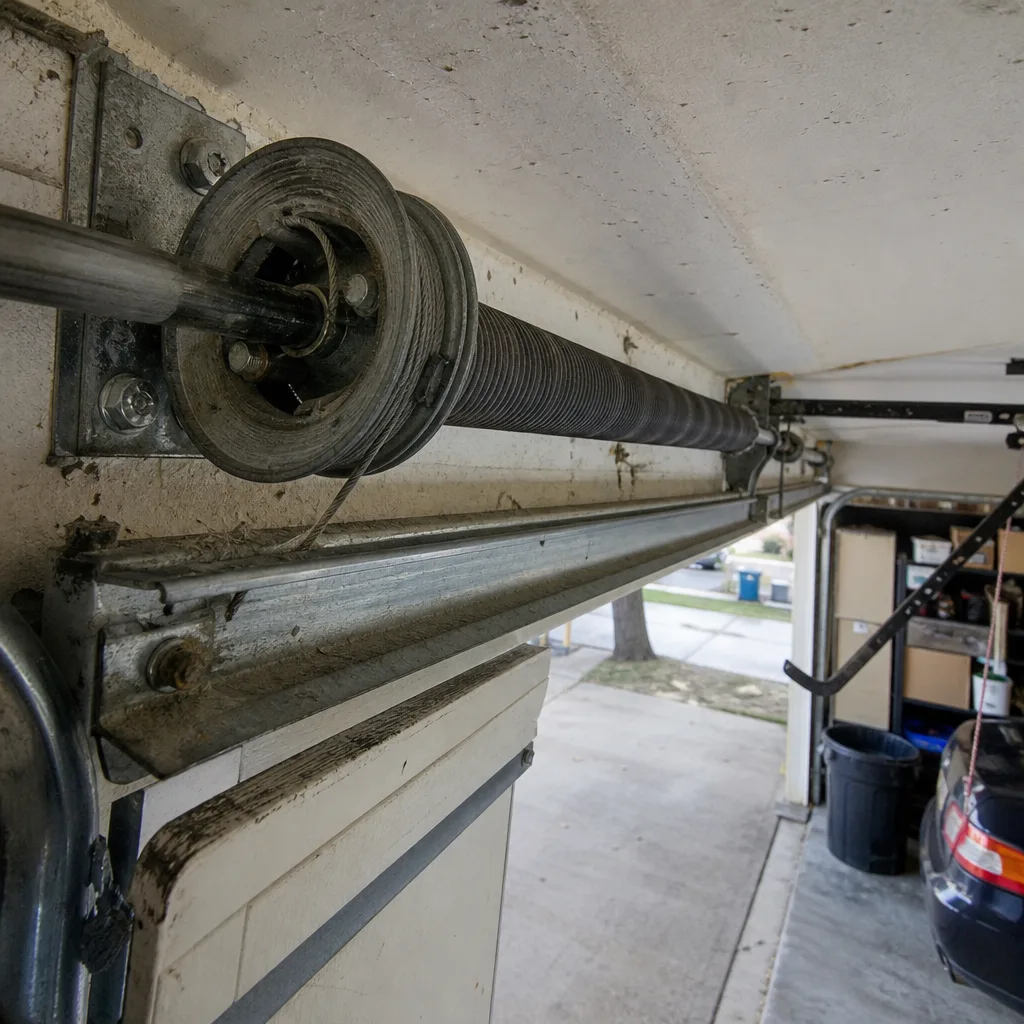 Before
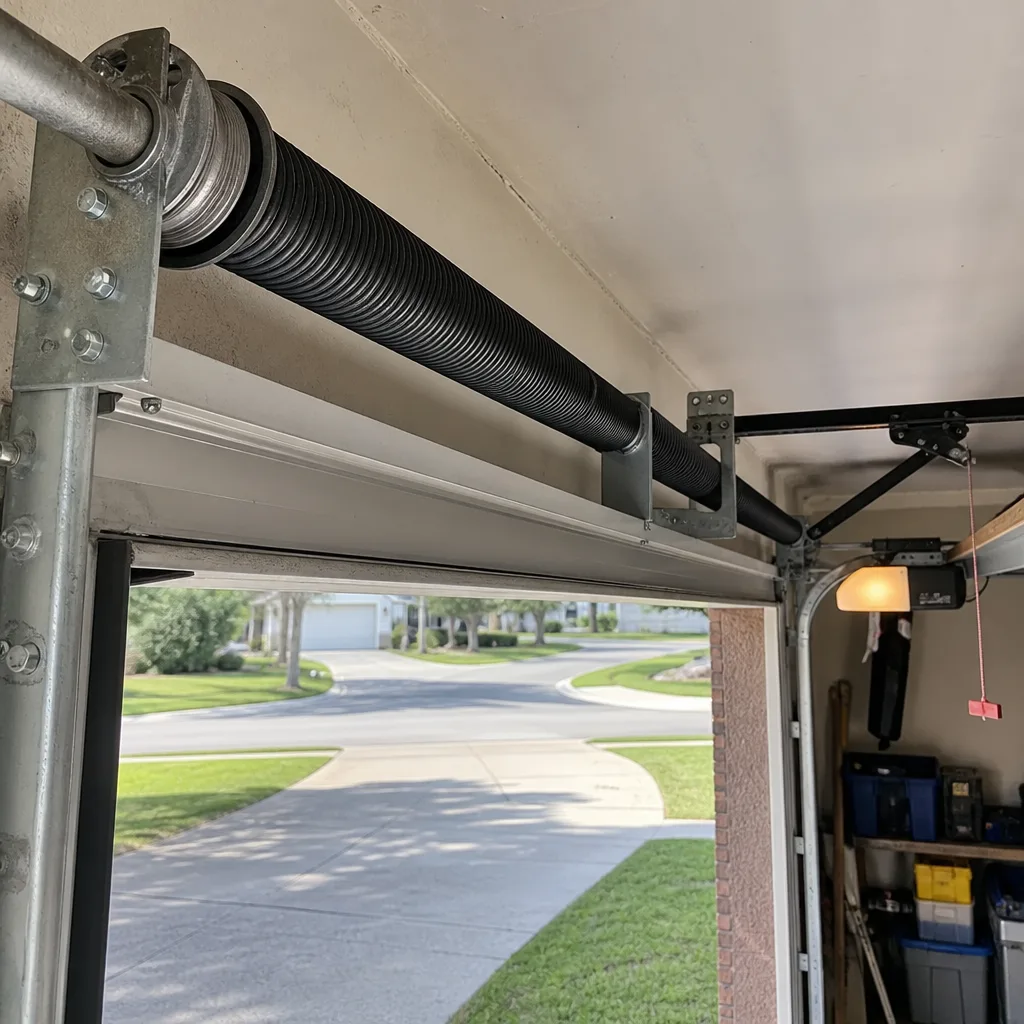 After
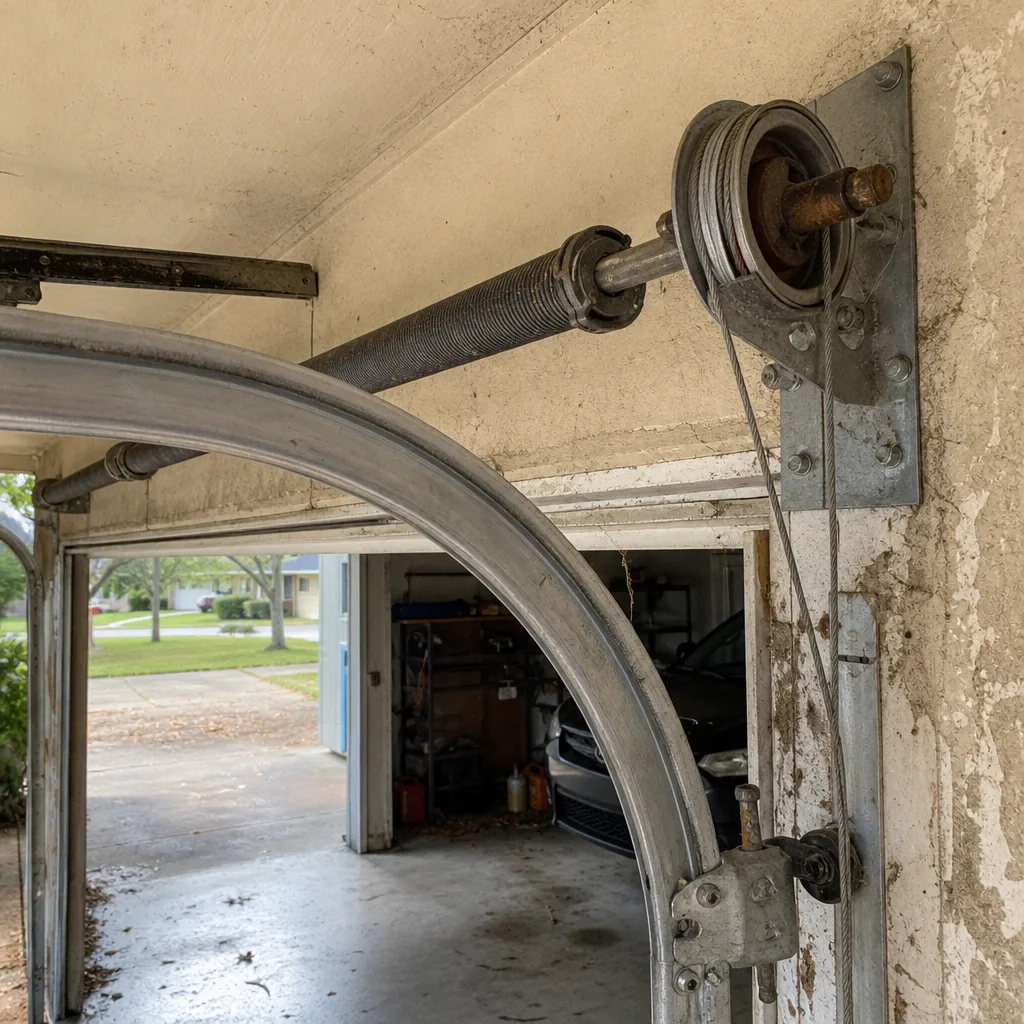 Before
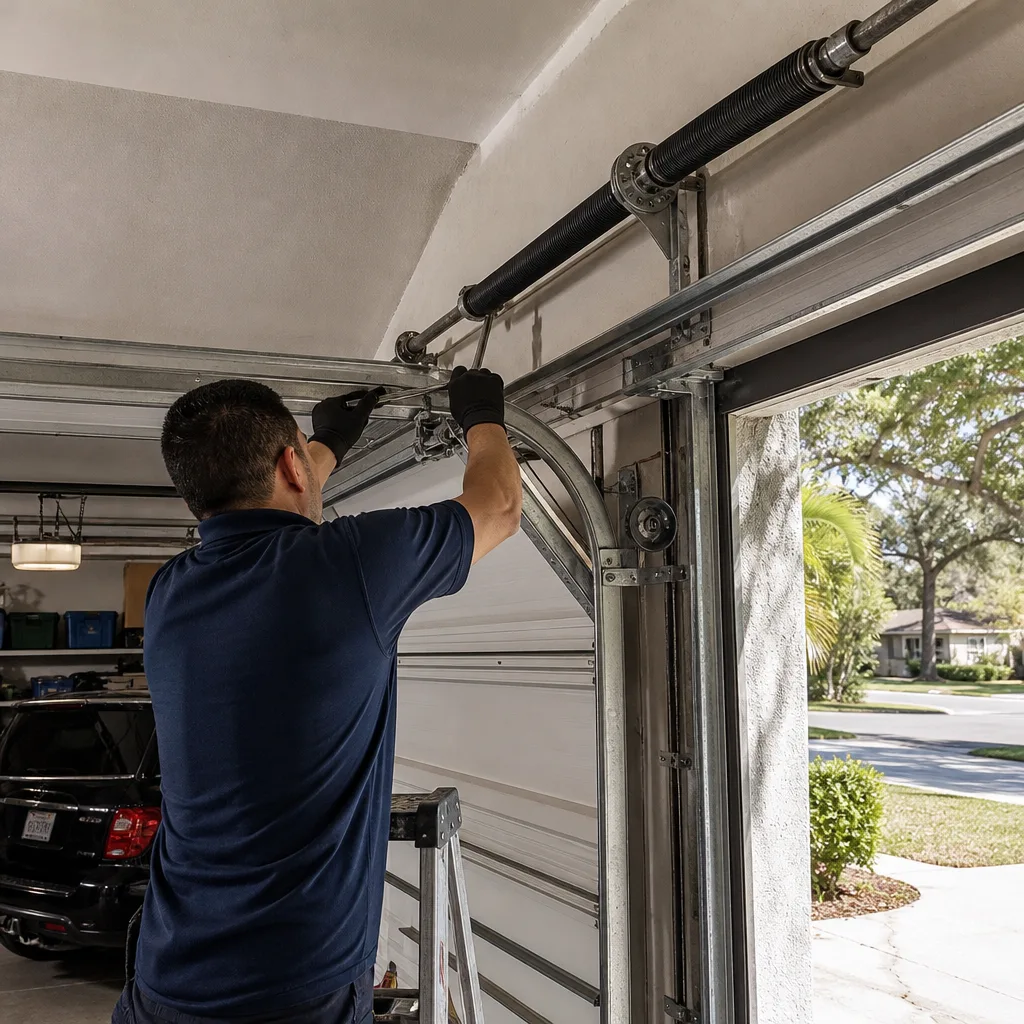 After
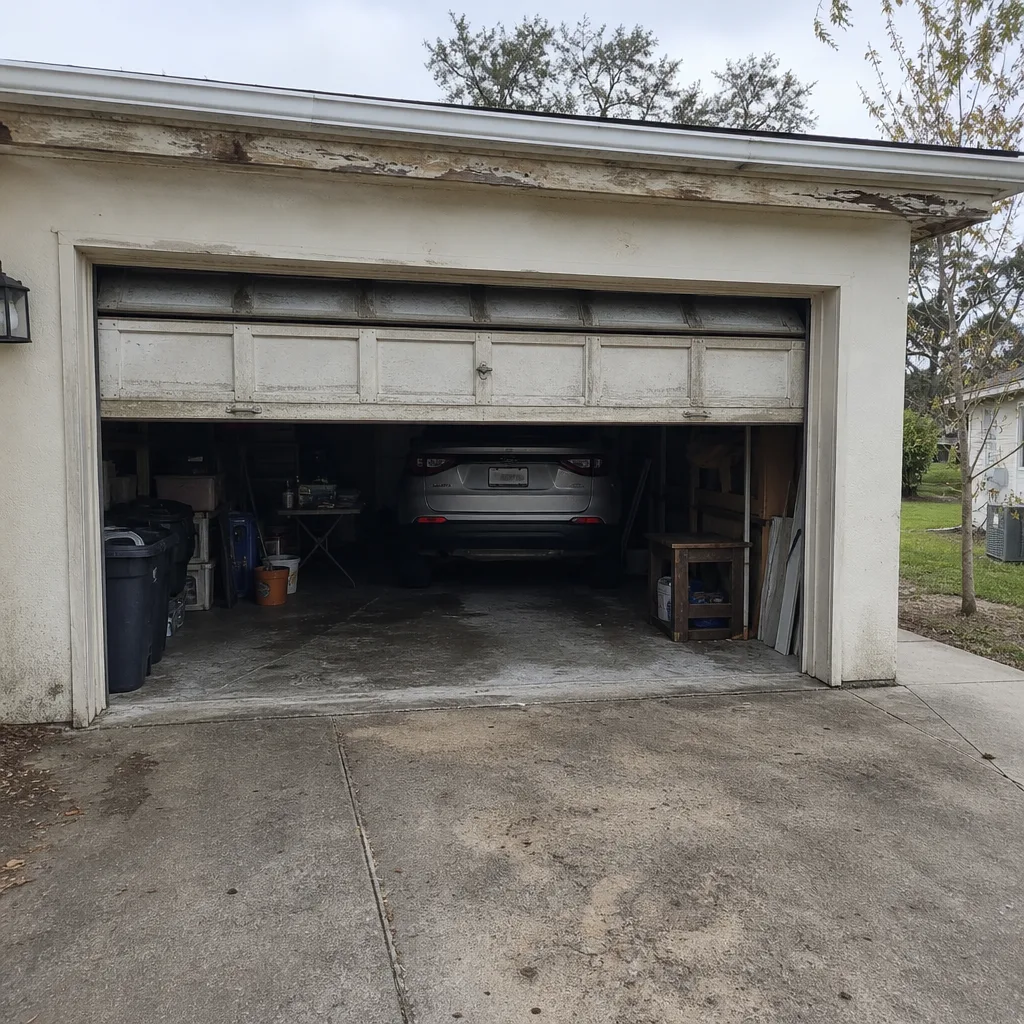 Before
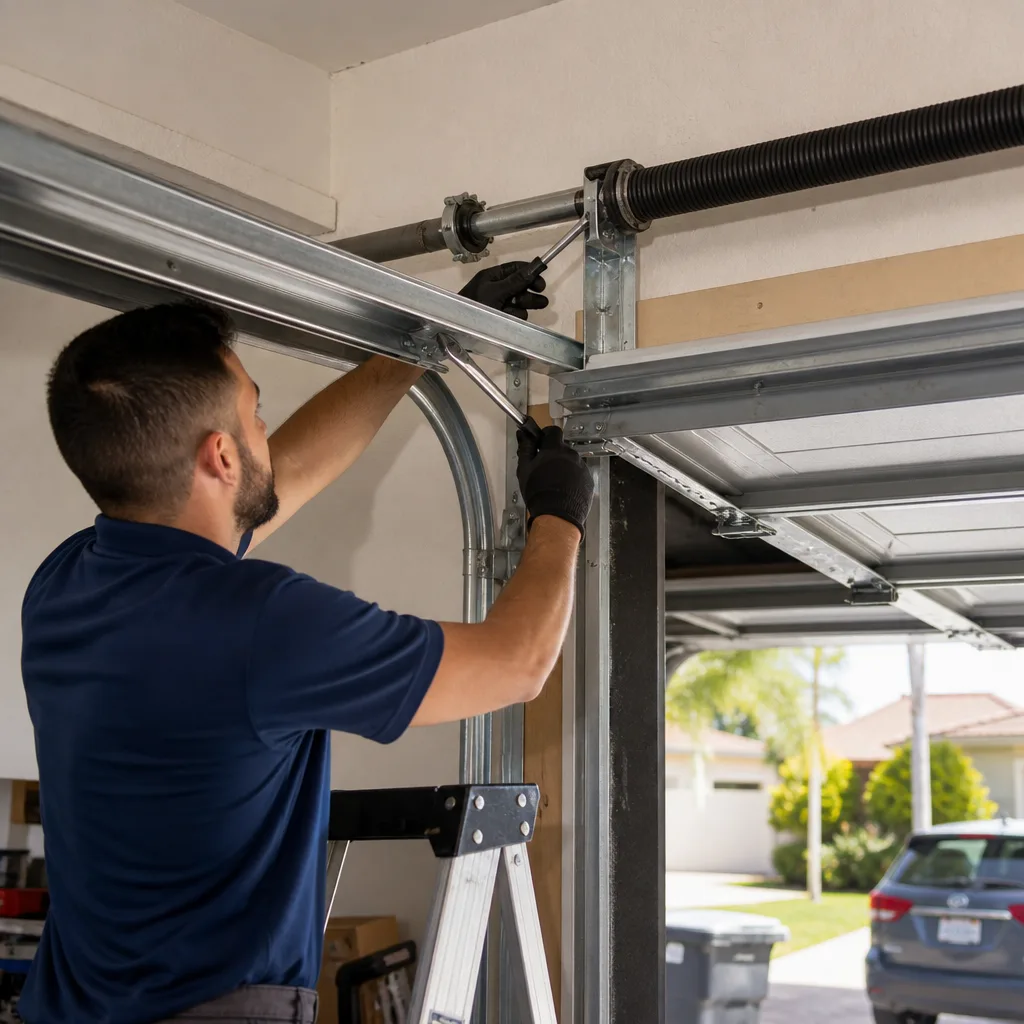 After